Capturing and understanding guest feedback is still one of the most useful things your attraction can do to lift satisfaction and loyalty. There’s no better way to find out what’s going right and wrong than to hear it from your guests.
But how you collect feedback, and what you do with it, can make or break how guests see your attraction. The best time to hear about a problem is while the guest is still on site and the day can still be turned around.
Public negative feedback is bad for business
A minority of guests will always have a bad day. Negative feedback on its own isn’t a problem, and it can even be useful. The problem is when the first you hear of it is a one-star review.
Negative reviews on Tripadvisor and Google, or posts on forums like Reddit and Mumsnet, can do real damage to your reputation. BrightLocal’s consumer review research shows how many people check reviews before choosing where to go, which means most of your guests are reading about you before they plan their visit. If they see enough negative reviews, they won’t come.
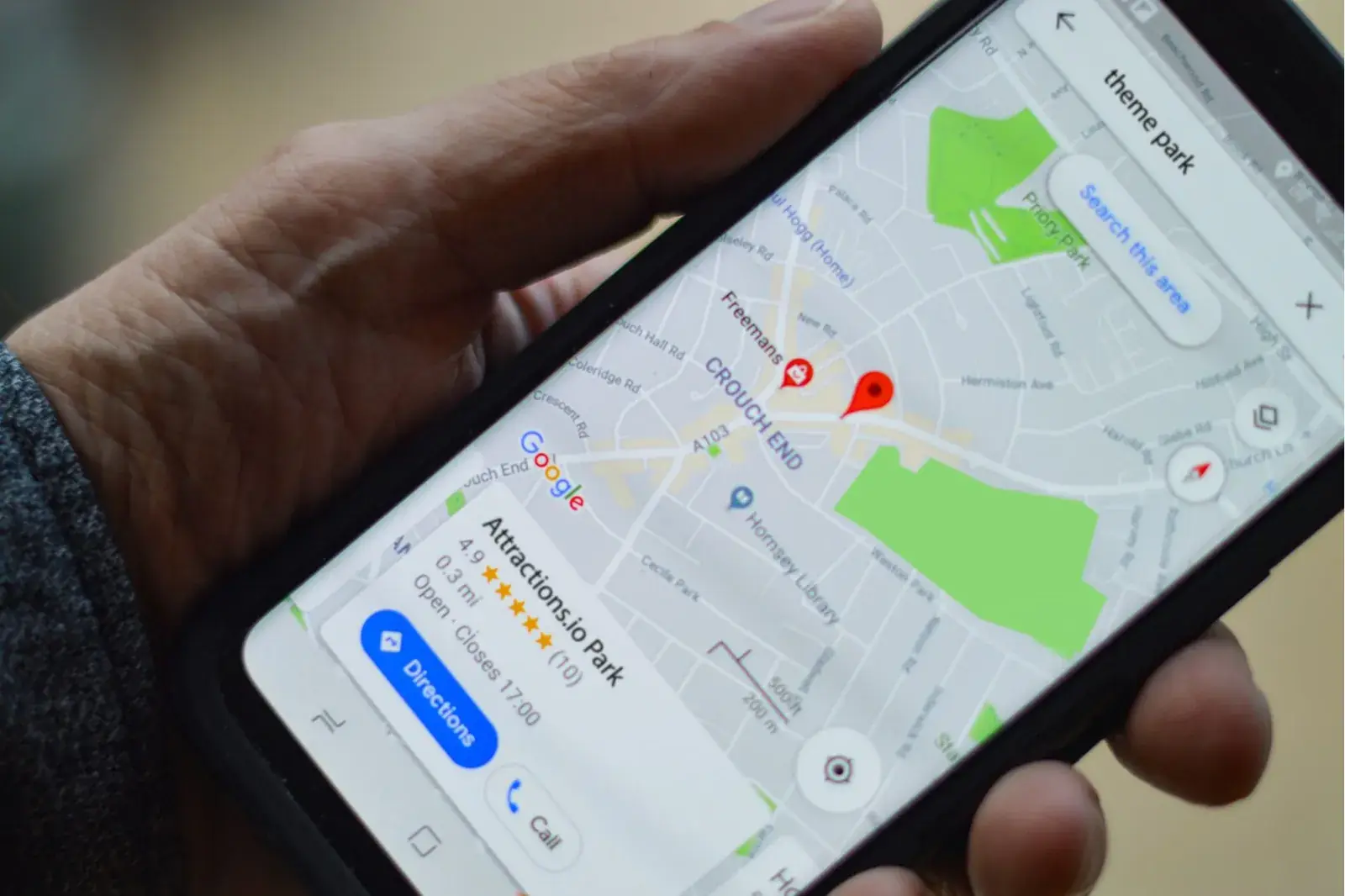
How much damage can a single bad review do? According to Andrew Thomas, writing in Inc. magazine, it takes 40 five-star reviews on a site like Google Reviews to undo the damage done by a single one-star rating. His reasoning is that happy customers are far less likely to leave a review than unhappy ones, so you need a lot of happy guests to balance out every disappointed one.
Stop letting great feedback slip away
Everyone agrees Shakespeare was a good writer. Amazon reviewer Peanut09, however, begs to differ, describing Othello as “hard to follow” and giving it two stars out of five.
Peanut09 won’t hurt Shakespeare’s reputation. But when unhappy guests post about a bad day at your attraction, it does hurt yours. People also tend to trust negative reviews more than positive ones. So you need every positive review you can get, and you need to hear about negative experiences before they go public.

To get more accurate feedback and fewer negative reviews, change how you ask.
Stopping guests at random as they leave doesn’t give you an accurate picture. When a member of staff asks, guests tend to say something positive or decline to comment. It’s a well-known effect in customer research that leads to a positive bias: it’s easy to think everything is fine when only happy people talk to you.
Email surveys sent after the visit have the opposite problem. Many guests never open them, and the ones who do are answering days later, when the details have faded.
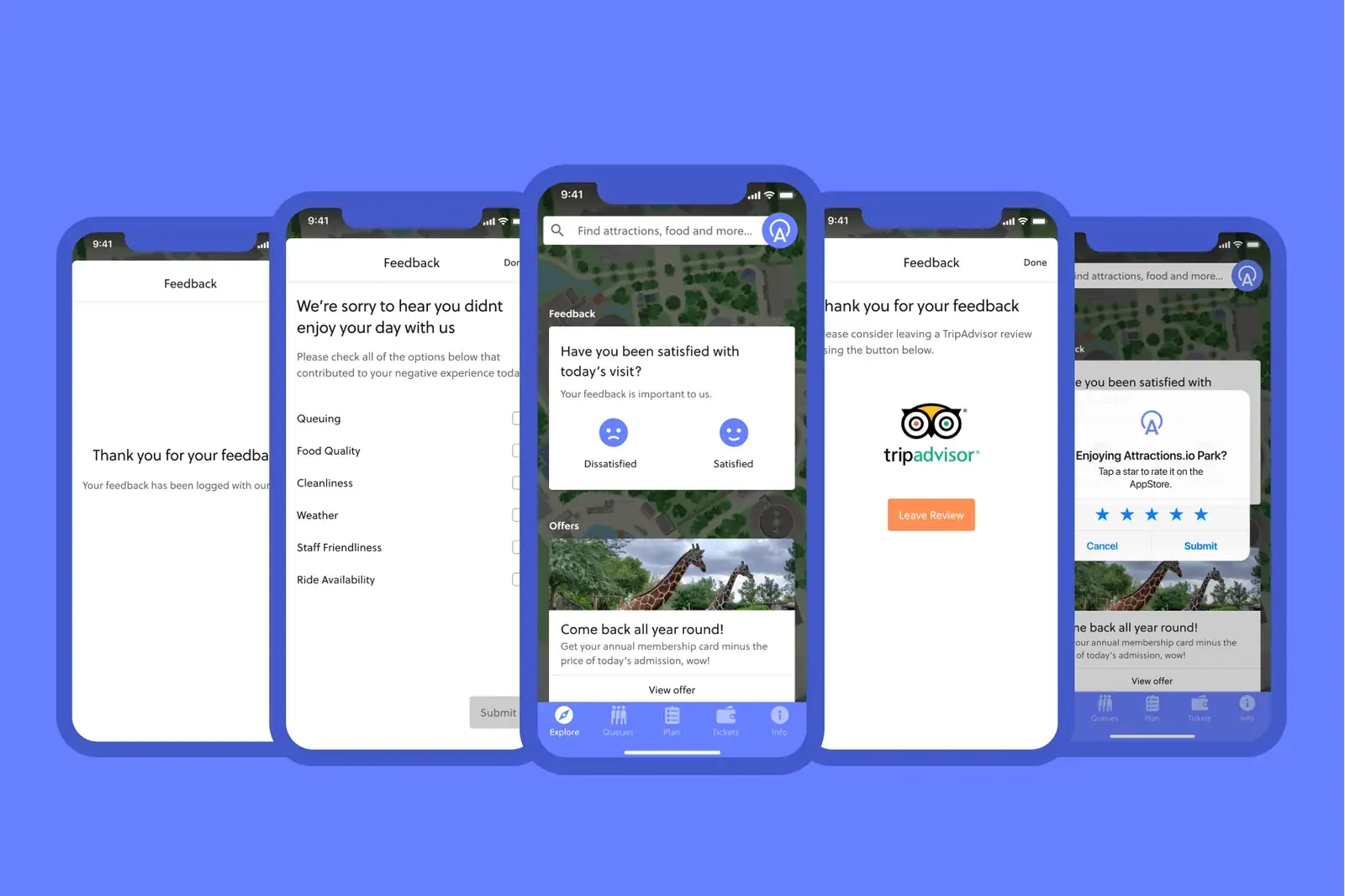
Digital feedback in your app works much better. Attractions.io apps include in-app feedback, so you can hear from far more guests with less admin. A push notification on the evening of the visit, or a prompt in the app as guests head for the exit, gives them the chance to tell you how their day went while it’s still fresh.
Then treat every answer as a next step. Thank guests who had a great day and invite them to share it on Tripadvisor or Google. Ask guests who had a bad day what went wrong, so your team can put it right. (Invite everyone to review, whatever their answer: review platforms don’t allow businesses to only ask happy guests.)
Act on feedback while guests are still on site
Feedback at the end of the day is good. Feedback during the day is better, because you can still do something about it.
This is where the Attractions.io platform has moved on. It reads guest sentiment in the moment and connects it with everything else it knows: who the guest is, what they’ve booked and what’s happening in your venue right now. Our Recommendation Engine then works out the most useful next step for that guest and delivers it through their app.
That means problems can be eased before they become complaints:
- When a ride goes down, each affected party gets an alternative and a recovery gesture.
- When queues build, guests are pointed towards something nearby with a shorter wait.
- When a family’s day has been disrupted, their plan is reworked to fit in as much as possible.
Your team sets the guardrails, including what the AI can offer and when, and every recommendation is traceable. Read more about how we use AI for the in-visit experience.
Turn your public reviews into an action list
In-app feedback tells you how today went. Your public reviews tell you what guests say about you to everyone else, and they usually hold the answer to what’s pulling your scores down.
The trouble is volume. Reading thousands of reviews across Google and Tripadvisor and spotting the patterns by hand is a job no one has time for. GX Pulse does it for you. It reads every public review, maps each comment to the stage of the visit it came from and ranks the fixes most likely to lift your score.
It also surfaces the patterns that are easy to miss in individual reviews. Mentions of step-free routes, parking or ramp access might be scattered across dozens of reviews, but grouped together they become a clear accessibility issue worth acting on. GX Pulse alerts you when negative feedback spikes on a particular stage or activity, and after you act, you can watch your score to see whether the fix landed.
Use feedback loops to turn happy guests into brand champions
Collecting feedback in your app does more than reduce negative reviews. It helps you use one of the most powerful forces in marketing: word of mouth.
Recommendations from people we know have long been the most trusted source of all. Nielsen’s Global Trust in Advertising study found that 83% of people trust recommendations from friends and family.
You can make the most of it by giving more guests an easy way to leave a positive review, and by responding differently depending on what guests tell you. You might send a guest who had a bad day a discount code or a free return visit, and win them back.
Responding matters in public too. ReviewTrackers research found that 45% of consumers are more likely to visit a business that responds to negative reviews. Replying to positive reviews helps turn a good experience into a great one.
Once you’ve tightened your feedback loop and dealt with the recurring problems, share your best feedback with people planning a visit. Our guide to getting to #1 on Tripadvisor shows you how.