Simplifying integration:

How attractions can avoid common system integration challenges

Deep Linking Blog Image for Pillar
Featured
Article

Why deep links could be costing you thousands every season

Deep links look like an easy alternative to full integrations. But the simplicity is deceptive. When they become the default instead of a support tool, they create a disjointed guest journey, limit your data visibility and shave revenue off every visit.
Read more
Featured
Case Study

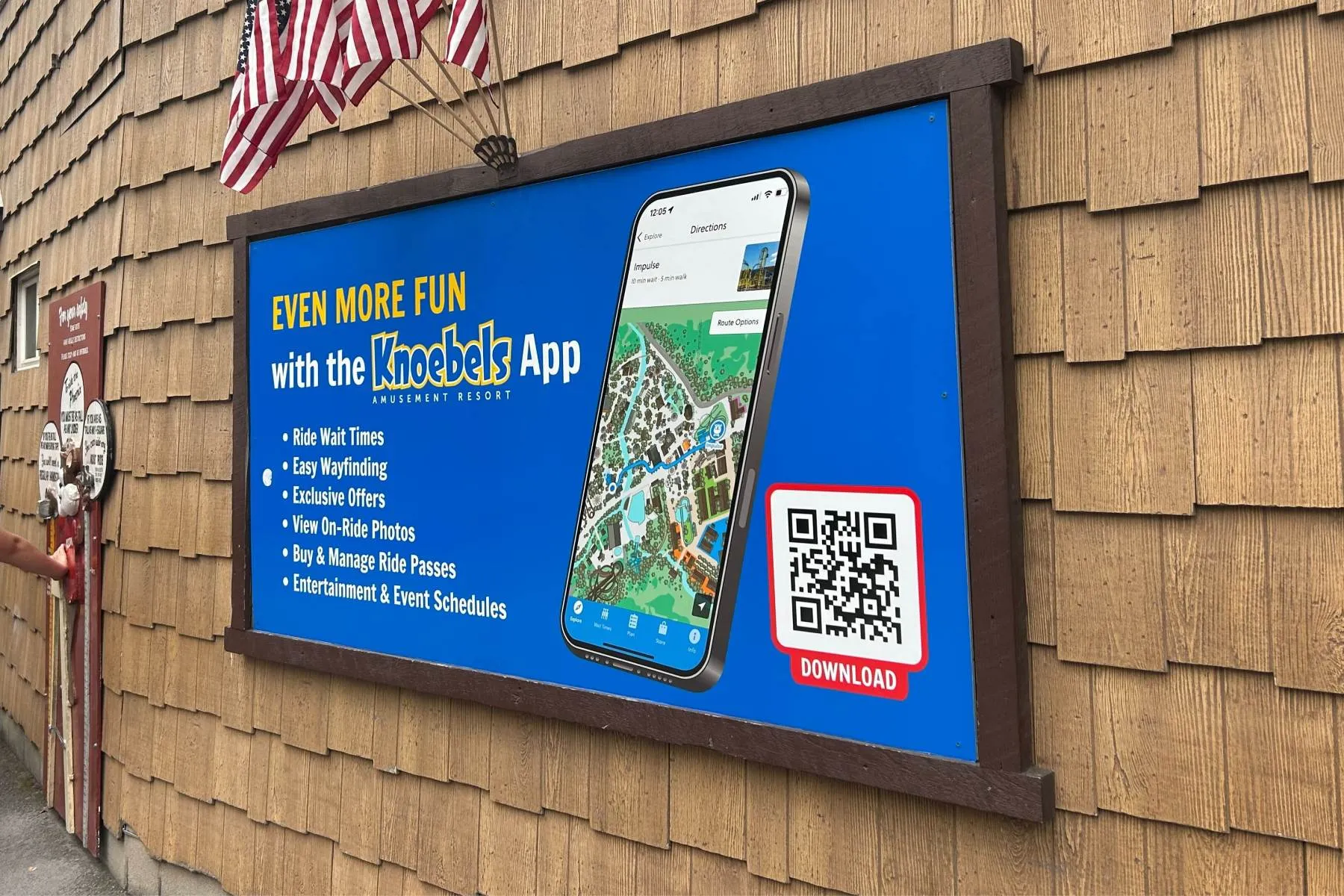
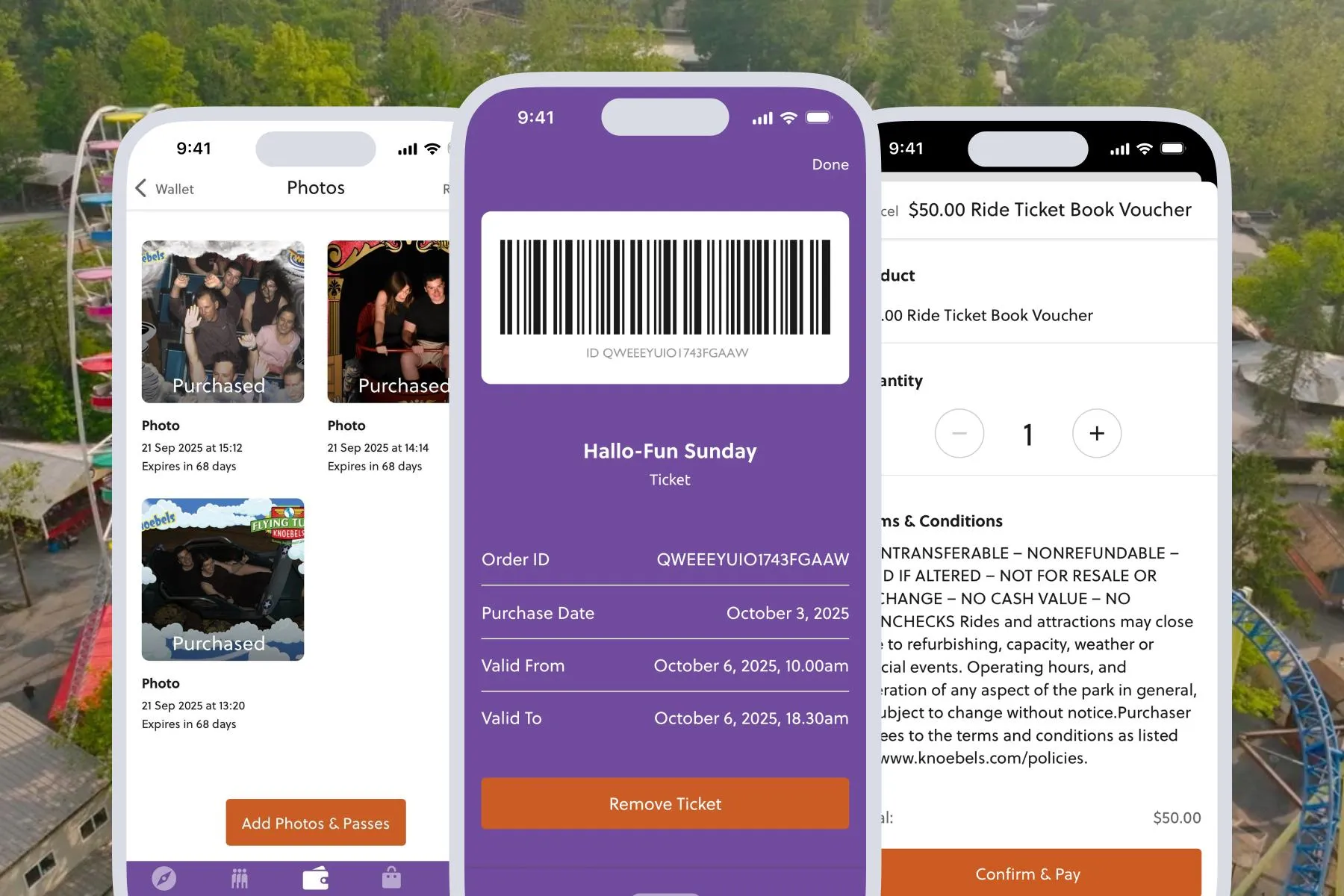
Knoebels proves integrations don’t have to be painful

Integrations are notorious for delays and complexity. Knoebels’ experience was the opposite. With Attractions.io’s plug-and-play platform and expert support, they connected key systems delivering a more connected and enjoyable guest journey.
Learn more

Proven integrations with the systems you already use

Attractions.io connects directly to the ticketing, payments, CRM, operations and F&B platforms attractions rely on, with proven integrations into partners like VisiSoft, DigiTickets, Gateway, Vivaticket, Stripe, Adyen, Salesforce, Pomvom and Mobaro. Our API-led, vendor-agnostic approach also makes it easy to integrate with any provider that offers stable endpoints.
Integration Library

See how our partners integrated without the complexity

FAQs

Contact Us
What’s the best way to connect all my systems into one guest interface?
The most reliable approach is using a single layer that ties ticketing, POS, CRM, memberships and mobile apps together. This keeps guests in one flow, stops clunky redirects and prevents the drop-offs that happen when guests are bounced between multiple systems.
How do I stop guests jumping between different systems when booking or ordering?
By integrating everything behind one interface. For example, when an app platform connects directly with ticketing, POS, and CRM, guests don't feel the friction of moving between multiple systems, and you have all your data in one place. They move through one consistent journey without switching apps, pages or logins, and you can better track conversions, drop-offs, and much more.
How can I reduce the chaos of running multiple systems?
Most chaos comes from siloed platforms that can’t share data. Integrating your core systems eliminates duplicated processes, resolves inconsistent information, and provides every team with a single source of truth. Operations run smoother, finance stops reconciling manually, and marketing finally sees full guest behaviour.
What are the most common integration problems attractions face today?
The biggest issues are mismatched APIs, legacy systems, inconsistent data formats, syncing delays and fragile custom connections between vendors. These cause guest experience gaps, queueing problems, reporting issues and a lot of manual, recurring work for teams.
How do I know if disconnected systems are costing my attraction revenue?
Common red flags are long queues, slow ordering, checkout drop off, inconsistent offers, missed upsells and manual reconciliation. If your systems aren’t talking to each other, you’ll feel it in guest spend and operational drag. When integrations are done properly, transactions move faster and guests spend more because nothing gets in their way. For a full breakdown, The Attraction Marketers' Guide to Revenue Growth covers the five step strategy we use to help partners lift guest value, influence spending during the visit and scale results without relying on more guests through the gate.
How does CRM integration improve the guest experience?
CRM integration pulls every interaction into a single profile – ticket purchases, F&B spend, feedback, membership details and more. This allows smarter segmentation, personalised messaging and tailored on-site experiences that drive satisfaction and repeat visits.
How do attractions avoid integration failures when working with multiple vendors?
Use partners who support consistent APIs, understand attraction workflows and take ownership of the ongoing maintenance. This avoids fragile, one-off connections that break every time a vendor changes something.
Are integrations plug-and-play or custom?
Most ticketing, POS and CRM systems integrate via standard APIs, making them plug-and-play. When attractions have bespoke setups, custom work is available through Solutions Teams without adding ongoing maintenance to your internal teams. If you’re not sure whether your setup is plug-and-play or needs custom work, speak with our team and we’ll help map out the right approach.

Solve your integration headaches for good

Talk to us and see how the integration expertise we’ve built with 150+ partners can support your revenue, operations and guest experience goals.