Operational efficiency:

Taking the friction out of your guest experience

See what operational efficiency actually looks like

From eliminating paper maps to automating ticketing and training, these stories show how leading attractions are freeing up time, cutting waste and delivering better guest experiences.

Make smarter bets with real guest data

GX Pulse consolidates guest sentiment across platforms so you can track your GX Score, spot patterns in the noise, and take action where it matters most.

It gives your team a clear, shared view of what guests are feeling, where friction is creeping in, and how to prioritise improvements that drive satisfaction and revenue.
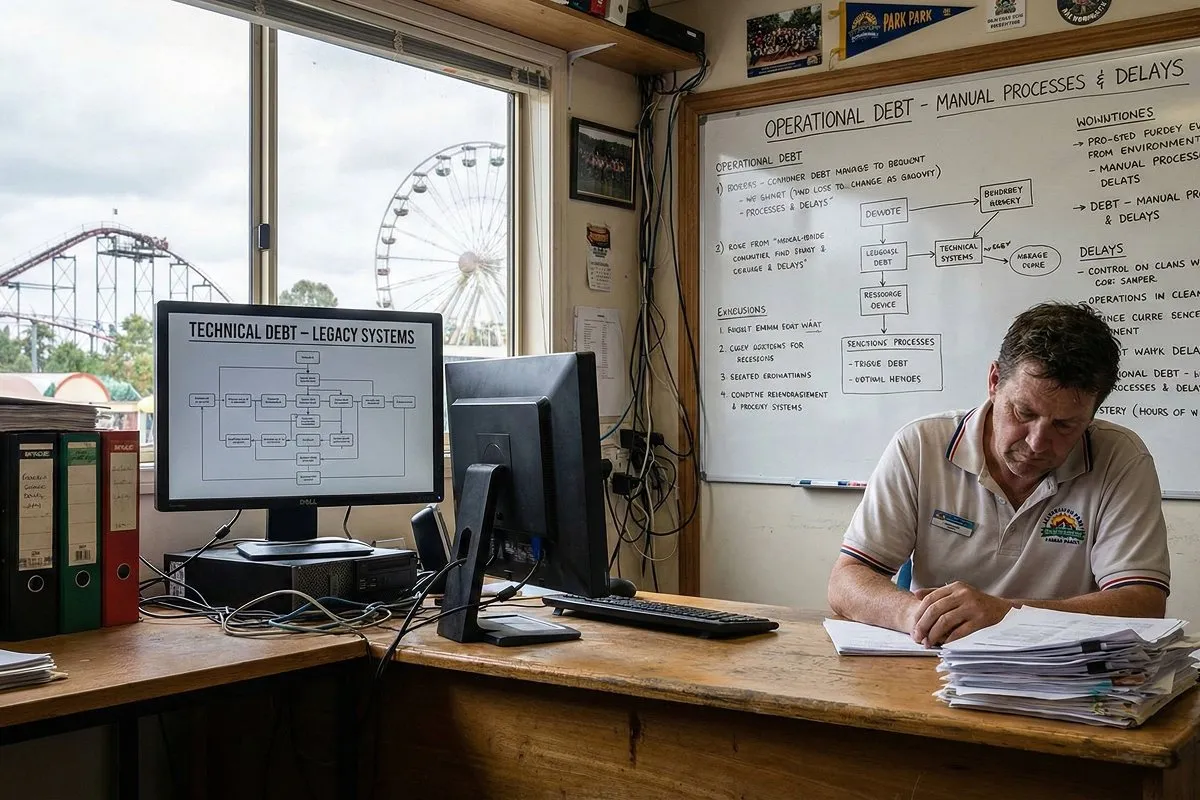
Built for teams tackling operational debt

FAQs

Contact Us
How do I know if operational inefficiencies are costing my attraction revenue?
Common warning signs include long guest queues, slow checkouts or orders, inconsistent information (like entitlements not syncing), frequent mistakes, and staff doing lots of manual data work every day. When you see these issues, it means your team is most likely spending time on workarounds instead of enhancing the guest experience – and that lost time is lost revenue and better NPS.
What are the most common operational inefficiencies attractions face today?
Bottlenecks like manual data entry and spreadsheet juggling, siloed systems that don’t talk to each other, and outdated software or processes are among the biggest culprits. Many attractions also suffer from “quick fix” workflows that were thrown together to solve immediate problems but never optimized afterward. These inefficiencies lead to slower service, more errors, and a lot of extra behind-the-scenes work for your team.
I know I have operational debt but how do I prove it to get investment or leadership buy-in?
You could run a test using your current workflows. For example, export your last month's online ticket sales by postcode prefix . Then, export your F&B transaction data (or gift shop, etc.) for the same period by date. Even without individual guest matching, you can see whether days with more guests from affluent postcodes correlate with higher average F & B spend. If they do, you've proved that having connected data at your fingertips would let you do it properly, repeatably and at scale.
What causes operational debt to build up over time?
Operational debt usually accumulates from many small shortcuts and delays. Relying on band-aid fixes in a rush – instead of investing in a proper long-term solution – is a major cause. Clinging to legacy systems because they’re familiar can also breed inefficiency. As your attraction grows, not updating processes to scale (or ignoring feedback about broken workflows) means that those small inefficiencies accumulate. Over time, all those quick fixes and outdated practices compound into a heavy operational burden.
Is investing in new technology worth it to fix operational inefficiencies?
Most of the time, yes. There is a hidden cost of sticking with inefficient, outdated methods that can be greater than the price of upgrading. New technology can reduce that waste by streamlining processes, eliminating manual errors, and speeding up service. The right system improvements will typically pay for themselves through saved time, lower operational costs, and higher guest spending.
How can integrating our systems help reduce operational debt?
Integration is one of the fastest ways to cut down operational inefficiencies. When your ticketing, POS, CRM and other systems talk to each other in real time, you eliminate duplicate data entry and delays. Your team has one accurate, up-to-date view of information, instead of hunting through separate tools or reconciling data manually. Integrated systems mean transactions and data flow cleanly, giving you a clear picture of your guest.
Which processes should I automate first to improve operational efficiency?
Look for the highly repetitive, time-consuming tasks that don’t require a personal touch. For example, reporting and data transfers can often be automated, so staff are not required to export CSVs or manually update spreadsheets. Routine guest communications (like post-visit emails or satisfaction surveys) can be set up to send automatically. By targeting these manual tasks first, you’ll quickly free up hours for your team to focus on work that can really move the needle in delivering faster service and providing a better guest experience.
How do we avoid accumulating more operational debt in the future?
Preventing operational debt is about making continuous improvement. Regularly audit your processes and systems to catch inefficiencies before they spiral – don’t let outdated practices live on just because “that’s how we’ve always done it.” Encourage feedback from your team and even guests about pain points, and act on it. It’s also smart to keep your technology up to date and scalable, so your operations can adapt as you grow. By dedicating time to streamline workflows and investing in modern tools when needed, you ensure small issues don’t snowball into large operational debt down the line.

Have a feeling your operations could run smoother?

We’ve helped over 150 attractions reduce waste, enhance planning, and free up teams without massive overhauls in headcount or technology. If you're grappling with inefficiencies, we're happy to share what's worked.