.png)
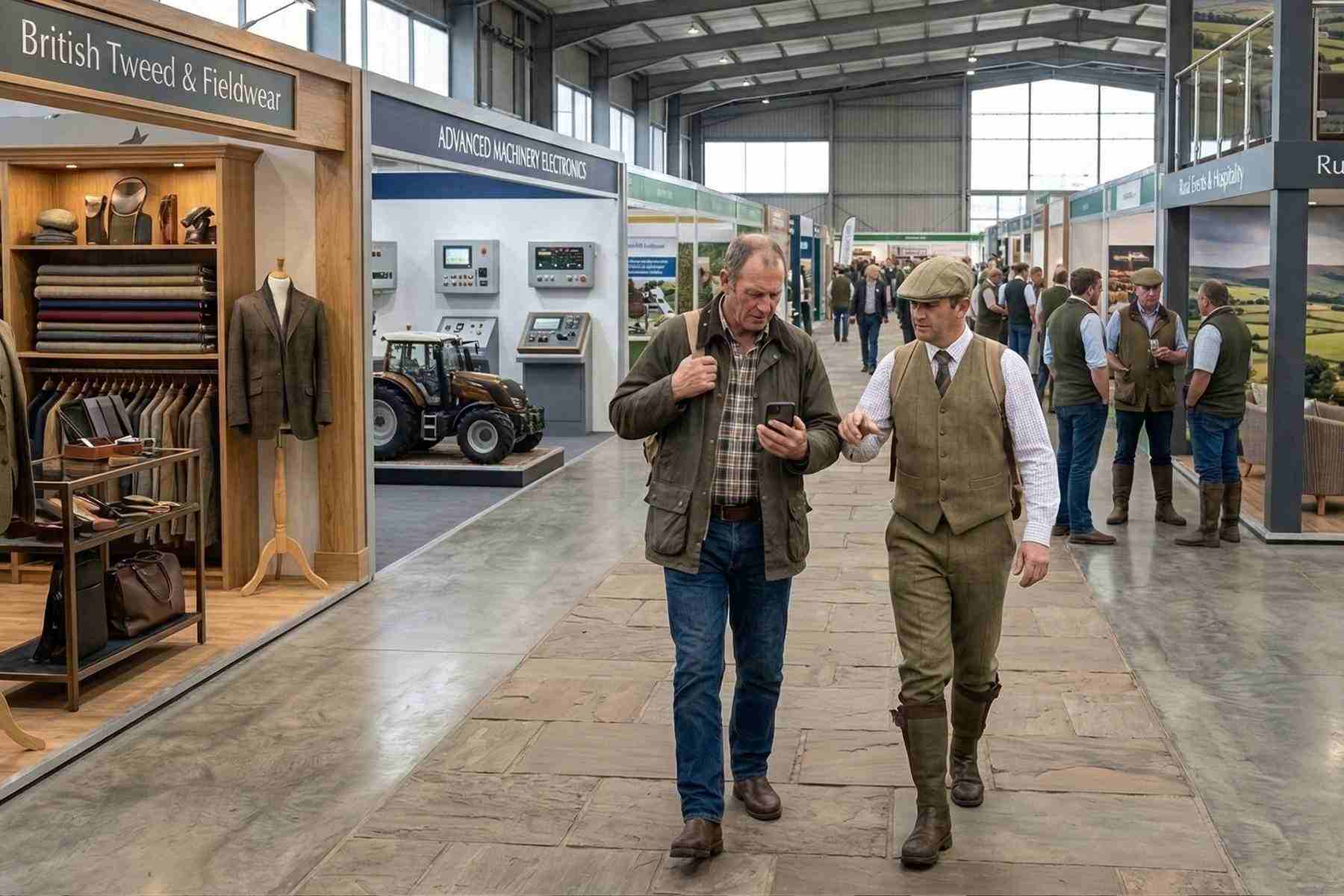
Over just a few days, agricultural shows bring together farming, livestock competitions, machinery demonstrations, rural crafts, retail stands, food vendors and more, all spread across vast outdoor showgrounds. The Royal Highland Show, for example, welcomes more than 200,000 guests across its four-day event and hosts over 800 exhibitors across a 280-acre site.
For guests, that scale is part of the appeal. Agricultural shows are immersive events where there is always something new to discover.
However, for organisers, delivering a smooth guest experience brings its own unique challenges.
Unlike permanent attractions, agricultural shows take place once a year. Each edition of the event is built from the ground up, with new vendors arriving, demonstration areas shifting, and additional attractions filling every available space across the showground.
This constant evolution poses a particular challenge for guest information. Agricultural show maps are packed with hundreds of stands, rings, livestock buildings, food vendors and trade areas across an enormous site. Even when designed well, printed maps can be difficult for guests to interpret while standing in the middle of a busy showground, trying to work out which direction they are facing or how far they need to walk.

At the same time, the information on those maps can quickly become outdated. Vendor locations sometimes change in the weeks — or even days — before the event opens. Once programmes and brochures have been printed, however, the layout is effectively locked in place.
This is one of the reasons agricultural shows like the Royal Highland Show and Great Yorkshow Show have introduced mobile event apps. By providing guests with interactive maps, live information and personalised planning tools, a mobile app helps guests navigate the showground with confidence and gives organisers the flexibility to update information as soon as changes occur.
Arriving at a major agricultural show can feel a little like entering a temporary town.
Guests rarely arrive with a clear understanding of where everything is located. Someone might want to watch sheep judging in the morning, grab lunch from a local food vendor and then catch a cookery demonstration later in the afternoon.

Trying to plan that journey using a printed map can be frustrating, particularly when the site is crowded, and guests are trying to orient themselves in real time.
Mobile apps solve this problem by turning the show map into an interactive navigation tool. Instead of scanning a large printed diagram and viewing a small PDF on their phone, or trying to work out where they are on a printed map. With an interactive navigation tool, guests can know exactly where they are, can search for what they are looking for and get directions straight to where they want to be.
A vendor might need to relocate their stand, a demonstration area may expand, or a new exhibitor might be added to fill an available space.
With traditional printed or static PDF maps, even small changes can create confusion once thousands of programmes have already been distributed.
With a mobile app, however, these updates are straightforward. If a vendor needs to move location, organisers can simply adjust the map marker within a management console, and the new position appears instantly in the app. Guests searching for that stand will automatically see the correct location.

There is no need to reprint brochures or replace signage across the showground. The digital version simply updates in real time.
While interactive maps might be the feature that first attracts guests to download the app, the platform quickly becomes something more. A complete digital guide to the show.
Agricultural shows are packed with activity throughout the day, and multiple events are usually running simultaneously across different areas of the showground.
Within an app, organisers can publish a live event schedule covering everything happening during the show. Guests can browse the timetable, filter by category and see exactly when and where activities are taking place, including both free attractions and ticketed experiences.
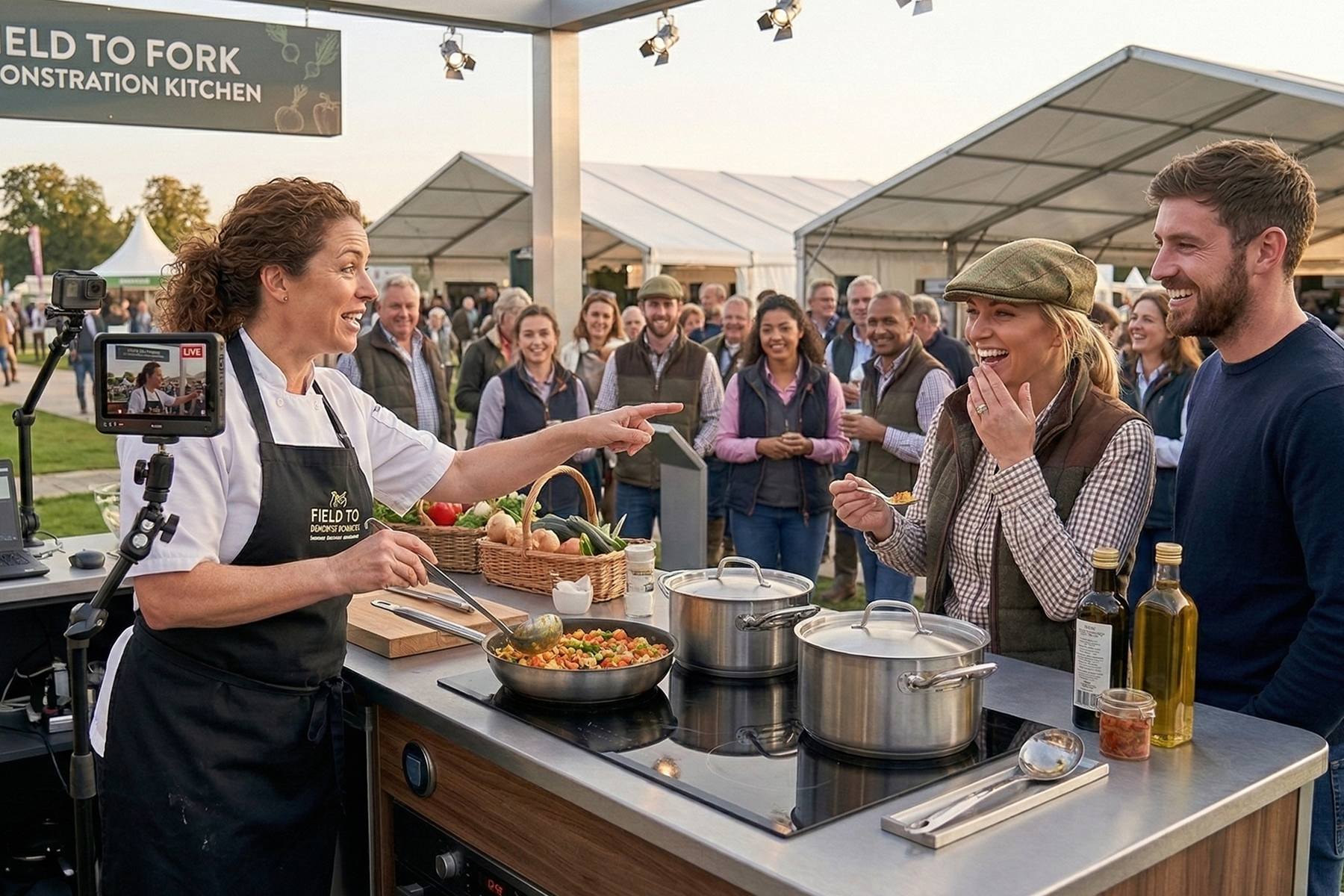
At the Royal Highland Show, helping guests discover more of the event has been one of the most valuable aspects of the platform.
“Visitors have responded really well to the app. We have a 4.8 rating on the App Store and excellent reviews. The app has helped so many people find things that they never would have experienced or discovered otherwise.” — Lyn Conroy, Digital Marketing Executive, Royal Highland Show
Another advantage of a mobile app is the ability to bring tickets and bookings into the same digital environment.
Entry tickets can be imported directly into the app and stored within a digital wallet, giving guests a single place to access everything related to their visit.

Once tickets are downloaded into the app, they can be stored completely offline, meaning visitors can still access them even if mobile signal drops across parts of the showground.
The same system can also support tickets for paid experiences within the event, such as special demonstrations, workshops or evening entertainment.
For large outdoor events, this becomes particularly useful as connectivity can sometimes be unreliable. But it's not just tickets that can be accessed offline.
As we know, agricultural shows are often held where mobile signal can be inconsistent.
Thousands of visitors trying to connect at once can make connectivity even more unpredictable.

For this reason, an app that is designed with an offline-first approach makes all of these challenges moot. Maps, schedules and tickets remain accessible without requiring a constant internet connection, syncing whenever brief pockets of signal become available.
This ensures guests can continue navigating the showground and accessing their tickets even when coverage drops.
Mobile apps also give organisers powerful communication tools during the event.
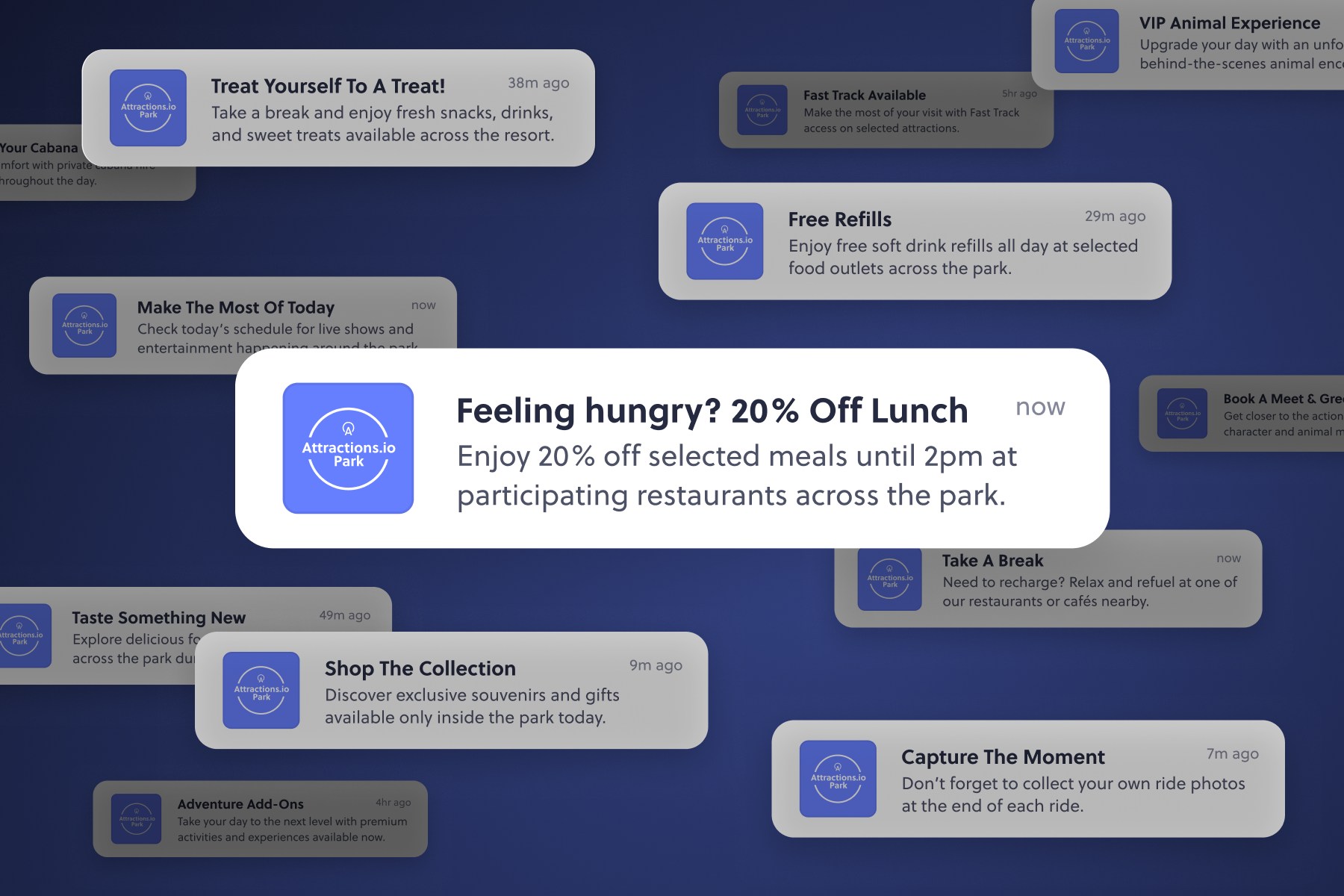
Push notifications can highlight upcoming competitions, demonstrations or key moments happening across the showground.
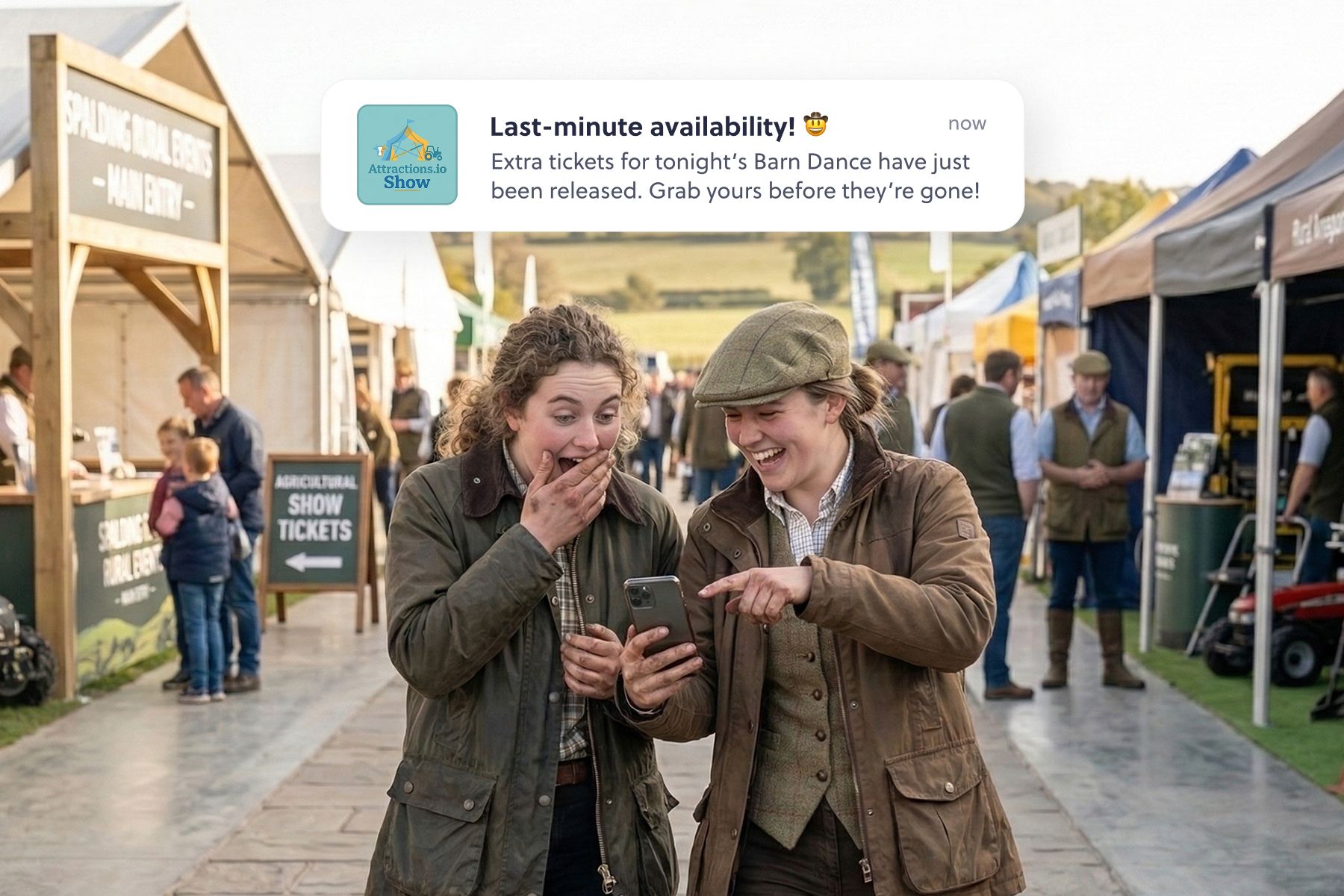
For more targeted communication, organisers can use beacons or ticket-based messaging to reach specific groups of visitors.
For example, those who have purchased tickets for an evening dance might receive a notification with the evening programme schedule. Guests who haven’t purchased tickets could instead receive a message promoting last-minute availability, encouraging them to attend.
This ability to send the right message, at the right time, to the right audience helps drive engagement while supporting ticket sales and participation in events happening across the showground.
Push notifications are a critical retail and engagement driver for the Royal Highland Show. Guests can browse retail offerings in the app and receive targeted nudges as they explore the showgrounds.
One of the best-performing messages was:
“🔔 Schedules released 🔔 Find out the timings of your favourite competitions and events in the app and plan your day(s) now.”
The benefits of a show app extend beyond guests.

Agricultural shows rely heavily on temporary staff, volunteers and contractors during event week, many of whom may be unfamiliar with the layout of the showground.
Having the event map available on their phone allows staff to quickly locate facilities, stands and competition areas when assisting visitors.
At the Royal Highland Show, the app has also become an unexpected training tool.
“When visitors ask a question, they turn to the app as their primary knowledge source. When we initially invested in our app we hadn’t considered using the platform to support staff, but it’s ended up being an irreplaceable training resource for our security team and contract staff.” — Lyn Conroy, Digital Marketing Executive, Royal Highland Show
Mobile apps provide a flexible digital platform that helps organisers manage that complexity while giving guests a more seamless way to explore everything the show has to offer.
From interactive maps and event schedules to offline tickets, targeted messaging and exhibitor discovery, the technology supports what agricultural shows have always done best — bringing people together to celebrate farming, food and rural life.
If you’re interested in exploring how a mobile app could support your show, book a demo with the Attractions.io team to see how it works in practice.