Disney has a famous philosophy for its cast members: "Don't be a smoking Cinderella." The idea is that seeing a character smoking a cigarette instantly shatters the carefully constructed illusion of the Magic Kingdom. In other words: it ruins the magic.
Friction does the same thing. Every time a guest gets lost in a car park, waits in a stagnant line, or struggles to find a bathroom, their immersion breaks. They stop being adventurers in your world and go back to being tired customers in ours.
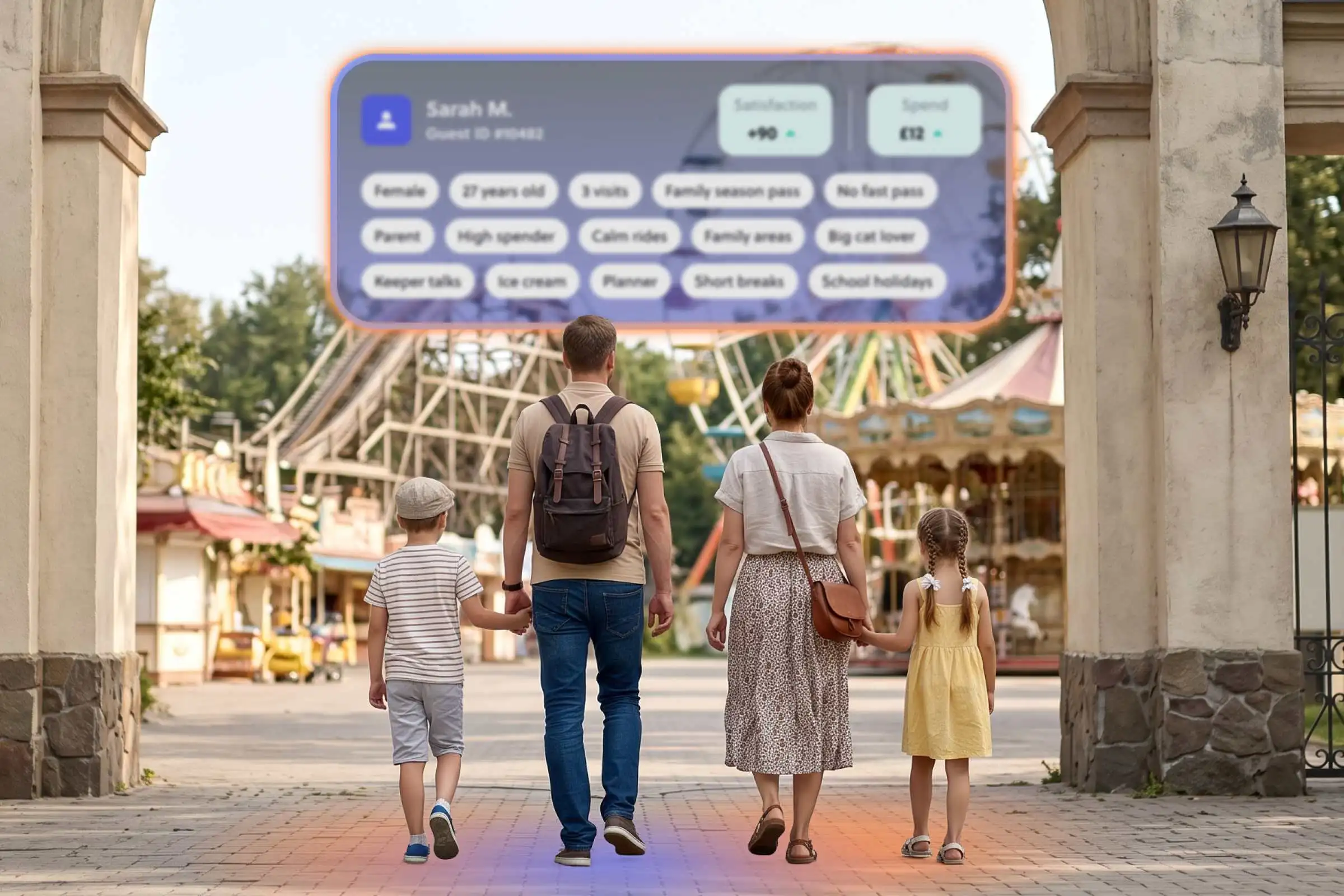
Lucy is the Chief Planning Officer for the Johnson family. She is a mother of two who has spent weeks researching tickets, watching TikToks, and worrying about the weather forecast. She wants her family's experience to be perfect.

We can visualise Lucy's journey as a series of peaks and troughs. The peaks are the memories she wants to make; the troughs are the friction points or stressors that get in her way. As operators, our objective is to create more peaks and minimise the troughs.
Let’s walk through Lucy’s journey to see exactly where these troughs occur, and how a mobile app could help smooth the curve.
Lucy’s anxiety starts before she even arrives. As she tries to book tickets, she gets confused by the various types on offer. Should she buy General, VIP, or Flexi?
She tries to amend her ticket but is forced to restart the whole process, which is frustrating. Once booked, she worries about parking, and her heart sinks when she sees rain in the forecast.

Lucy arrives excited, but gets confused by unclear car park signage, ending up in the lodge car park by mistake. Once she parks, she joins the queue at admissions and frantically searches her email inbox for tickets while dealing with patchy Wi-Fi, all while the kids get antsy in a slow-moving line.

This phase encompasses both the highest highs and the most volatile lows of the entire visit. At first, the immersion works: the traffic is light, the staff are friendly, and the kids squeal when they spot a giant mascot. They think the first ride is AMAZING and can't stop smiling.
Lucy walks the family to the next ride, only to find a massive queue because there was no wait-time board nearby to warn her. She struggles to push the stroller up a steep hill that she didn't see on the PDF map.

Dining combines two of the biggest stressors on-site: long queues and uncertainty.
Lucy joins a long food line with tired, hungry children, only to reach the counter and realise there are no gluten-free options for one of them. She then has to walk to a different venue and queue all over again, only to find the burger she wanted is sold out.
This is a compounding friction point: guests lose time, energy, and patience, and the day dips right when they need a reset.

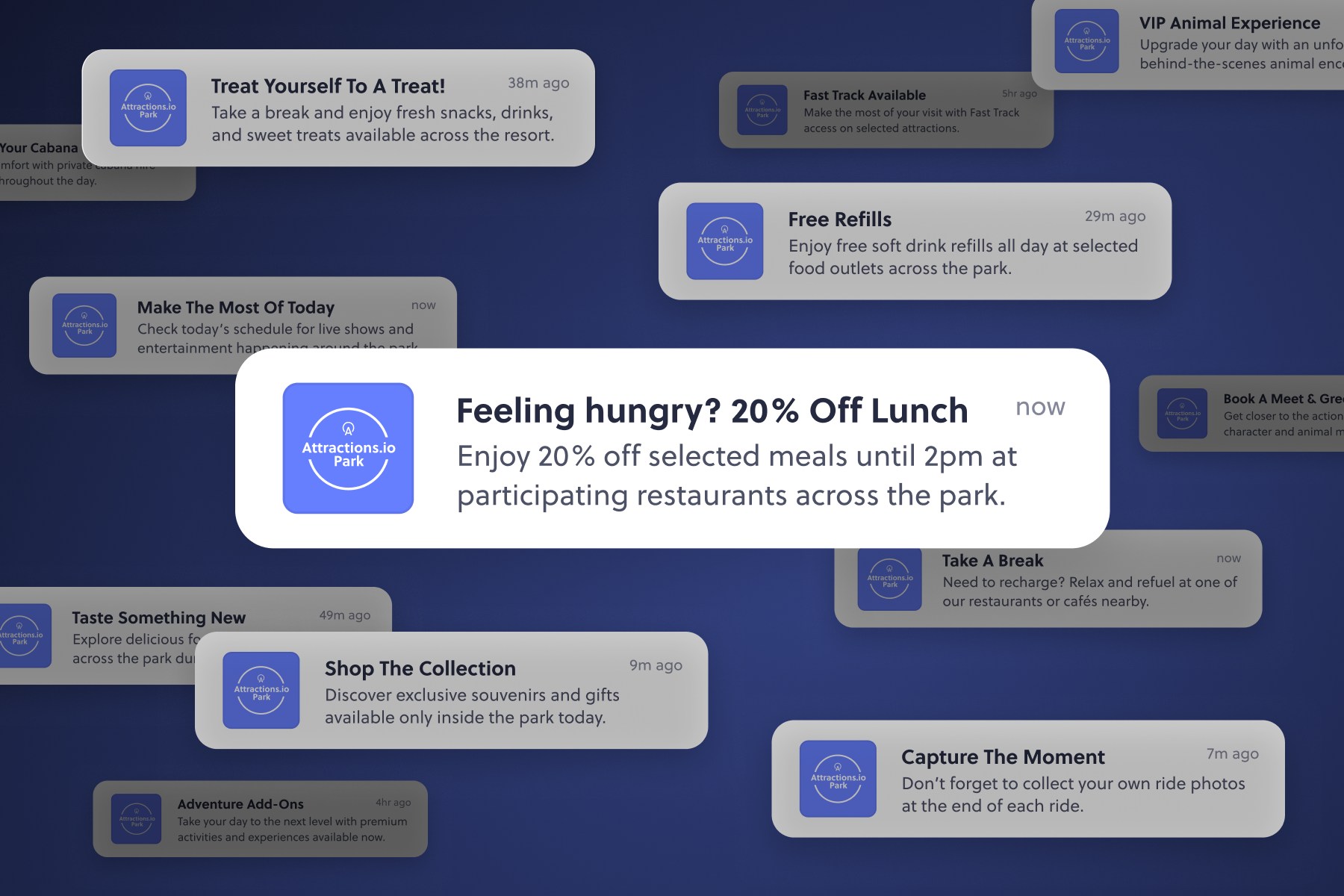
Lucy regrets not purchasing the ride photos because she couldn't figure out the website. Later, a marketing email about an upcoming Halloween event gets lost in her cluttered inbox.

Guests don’t just rate you on the headline experiences. They rate you on how the day felt overall. When you remove friction, guest have a better visit — because the day contains more of the moments they came for, and fewer of the moments that break the spell.


.jpg)