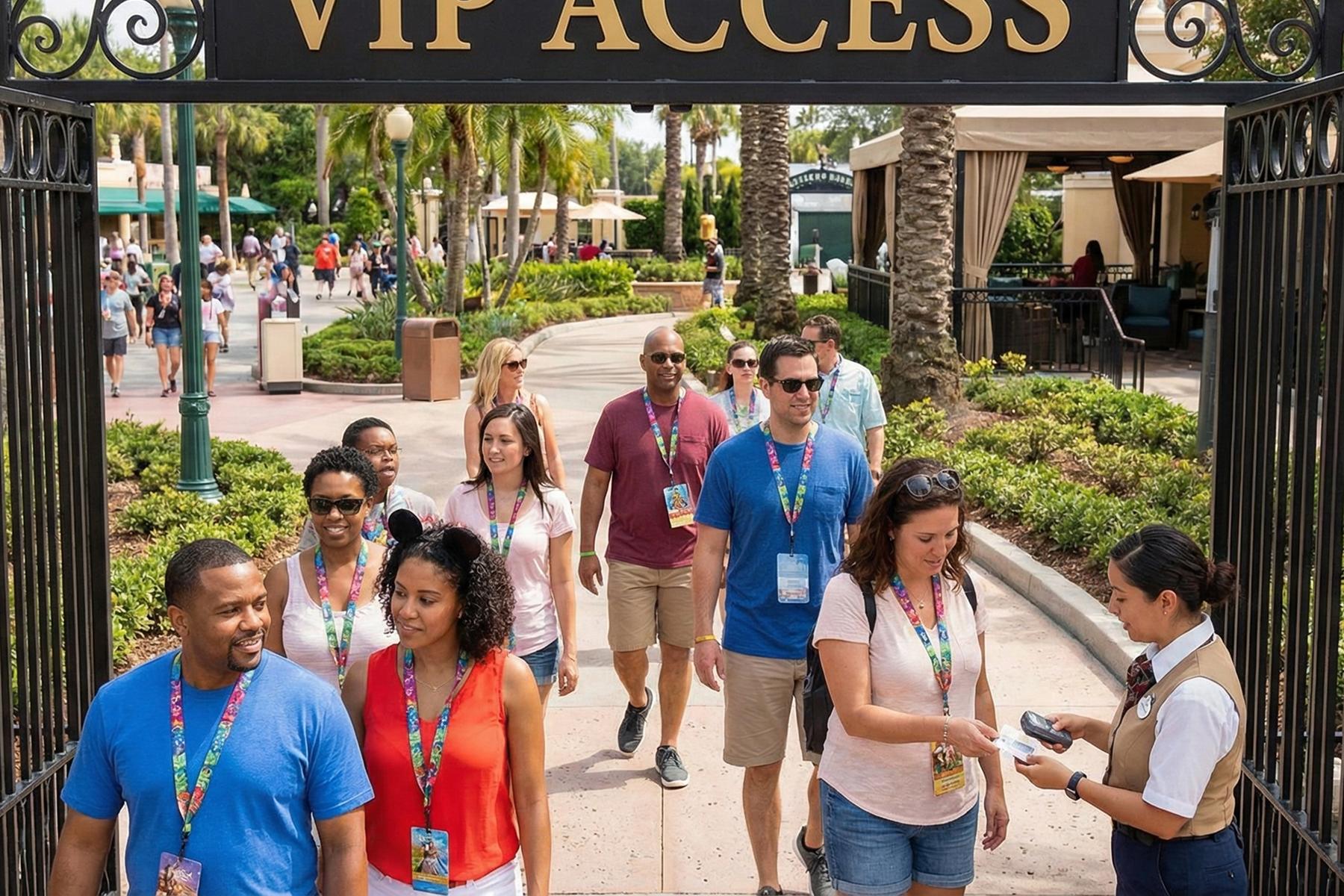
In luxury hospitality, the VIP experience is all about recognition. Staff know your name, remember your preferences, and anticipate your needs. But at attractions, that level of personalisation is often out of reach.
Attraction operators have traditionally faced a major challenge: once guests enter the gates, there are limited opportunities for one-to-one interaction.
But in 2026, it’s not enough to just add “Hello {FirstName}” to your pre-visit emails and call it personalised. You need to adapt your experience to a guest's needs at every stage of their visit:
A mobile app is uniquely positioned to personalise the entire guest journey, from planning to post-visit follow-up. It's the only tool that stays with the guest at every stage, giving operators the insight and flexibility to deliver a VIP experience at scale. Here’s how it works in practice.
Great personalisation needs data. Data needs consent. And consent is given when there's a clear value exchange: guests share their preferences and location in return for features that make their visit easier.

Accenture reports that 83% of consumers are willing to share data for a better experience—but only if the value is clear. With tools like digital tickets, real-time wayfinding, and mobile food ordering, the app becomes essential. By logging in to access features, guests initiate a digital relationship founded on utility, not intrusion.
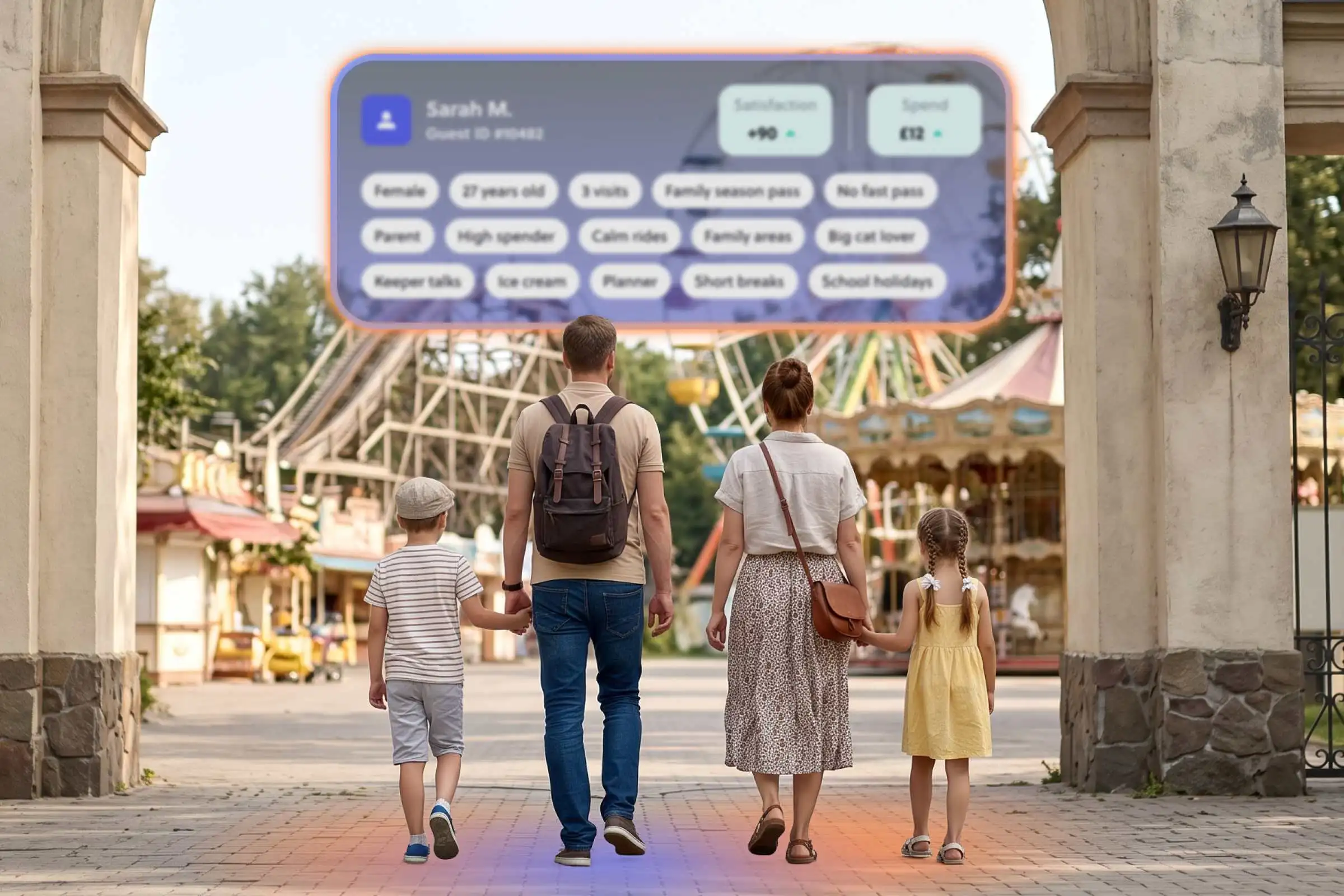
Once a guest logs in to your app, they transition from being an anonymous visitor to a known guest. You can capture:
Once you have collected guest data, the next step is to segment it. Not every guest needs to know that the sea lion presentation is starting in ten minutes. For a guest on the other side of the park interested in rollercoasters, that notification is just more "noise."
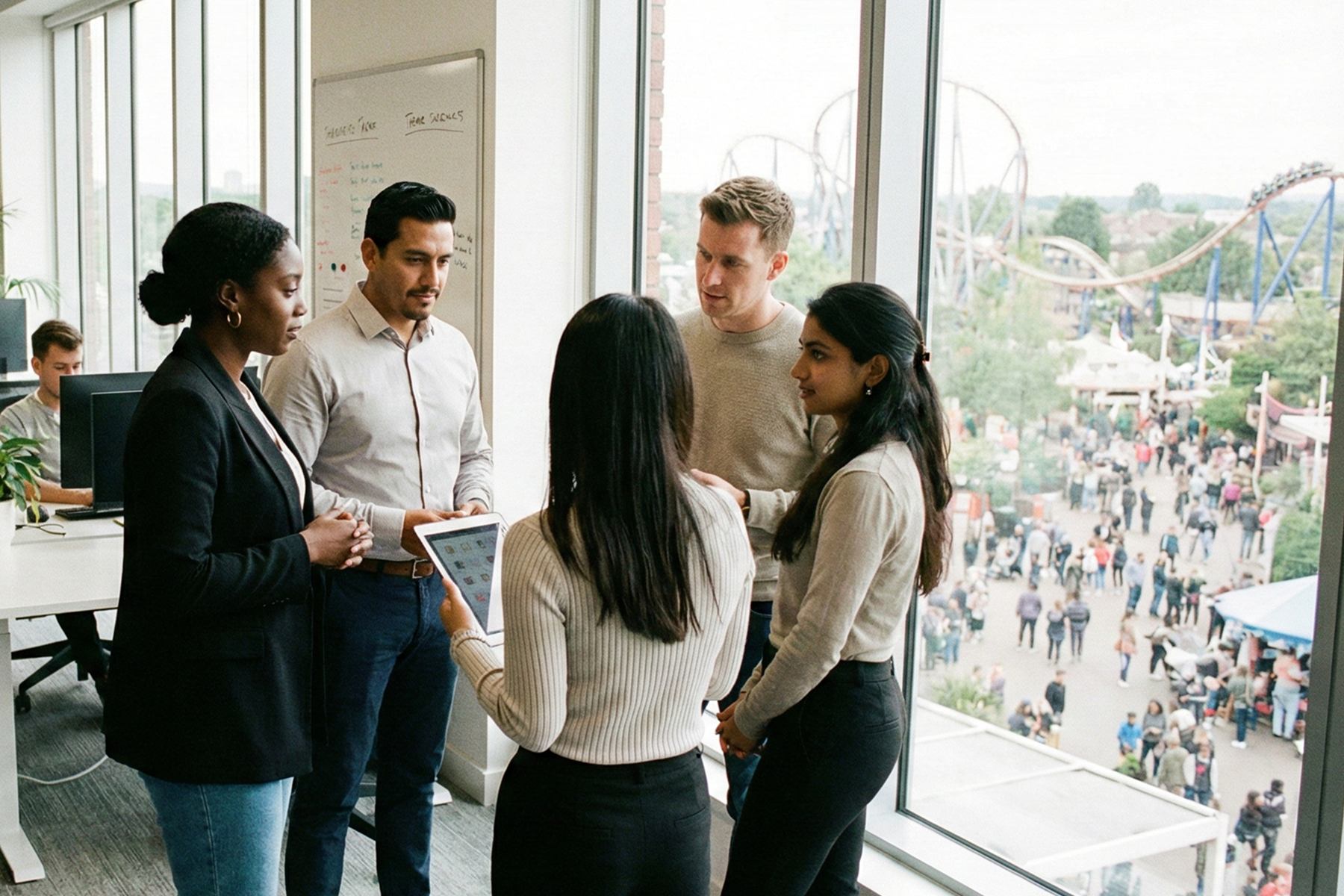
Using segmentation and filtering tools, operators can group guests based on real-time behaviour and historical activity, such as past visits and purchase history. These segments can then be used in mobile campaigns or exported for use elsewhere.
Research shows that triggered, personalised messaging can deliver five to eight times the ROI on marketing spend and lift sales 10% or more. By ensuring every message is relevant, you keep guests engaged rather than encouraging them to silence notifications.
Once you know your guests and have built your segments, you can start tailoring their experience. Here are five ways Attractions.io helps you do exactly that:
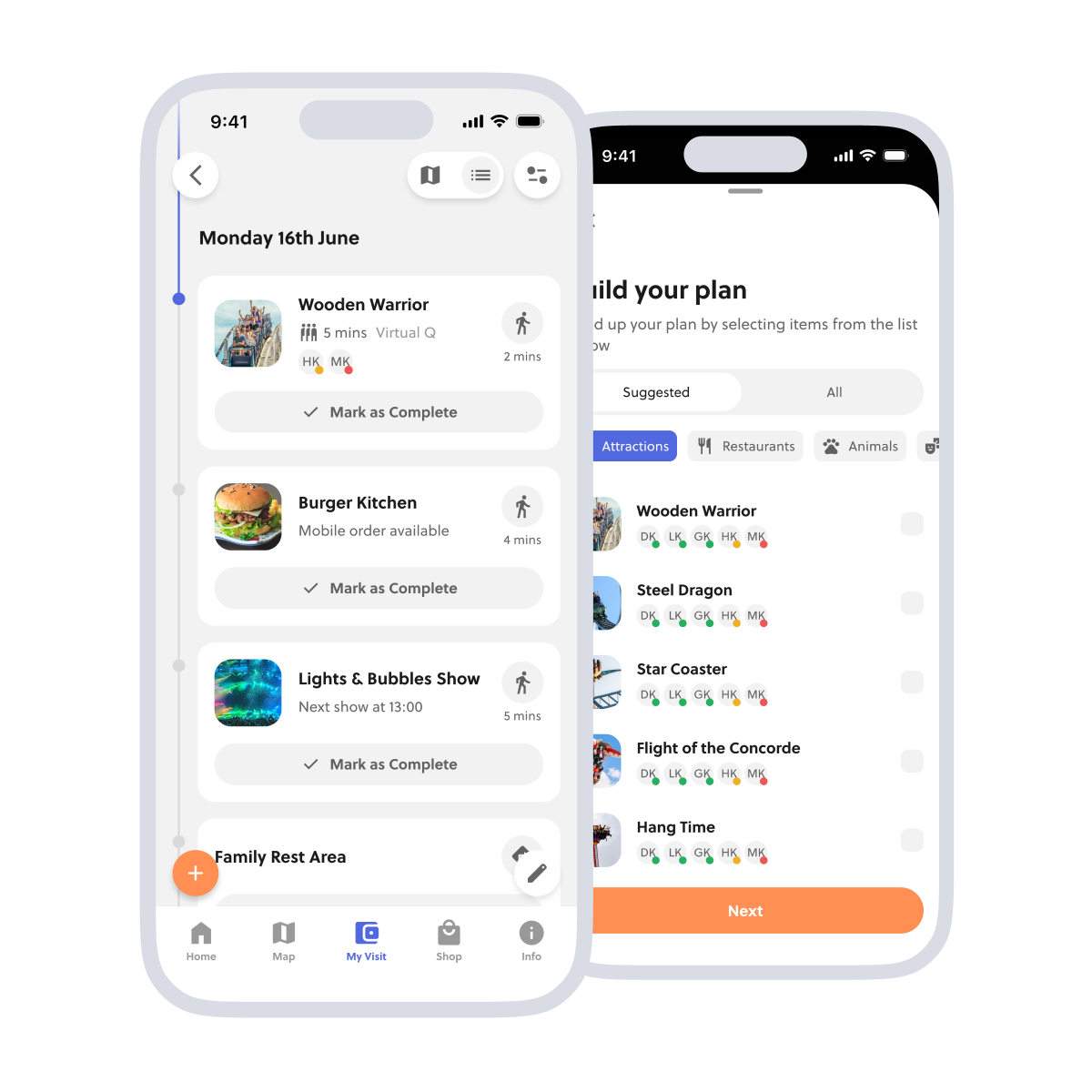
One of the greatest stressors for guests is the fear of missing out. Trying to navigate a massive site with a paper map often leads to "decision fatigue."
The best mobile app platforms for attractions solve this through personalised itinerary planning. Rather than a static list of "What’s On," the app acts as a digital concierge. Based on the guest's interests, heights, ages and the live state of the park (closures, show schedules, ect.), the app can suggest a custom plan for the visit.
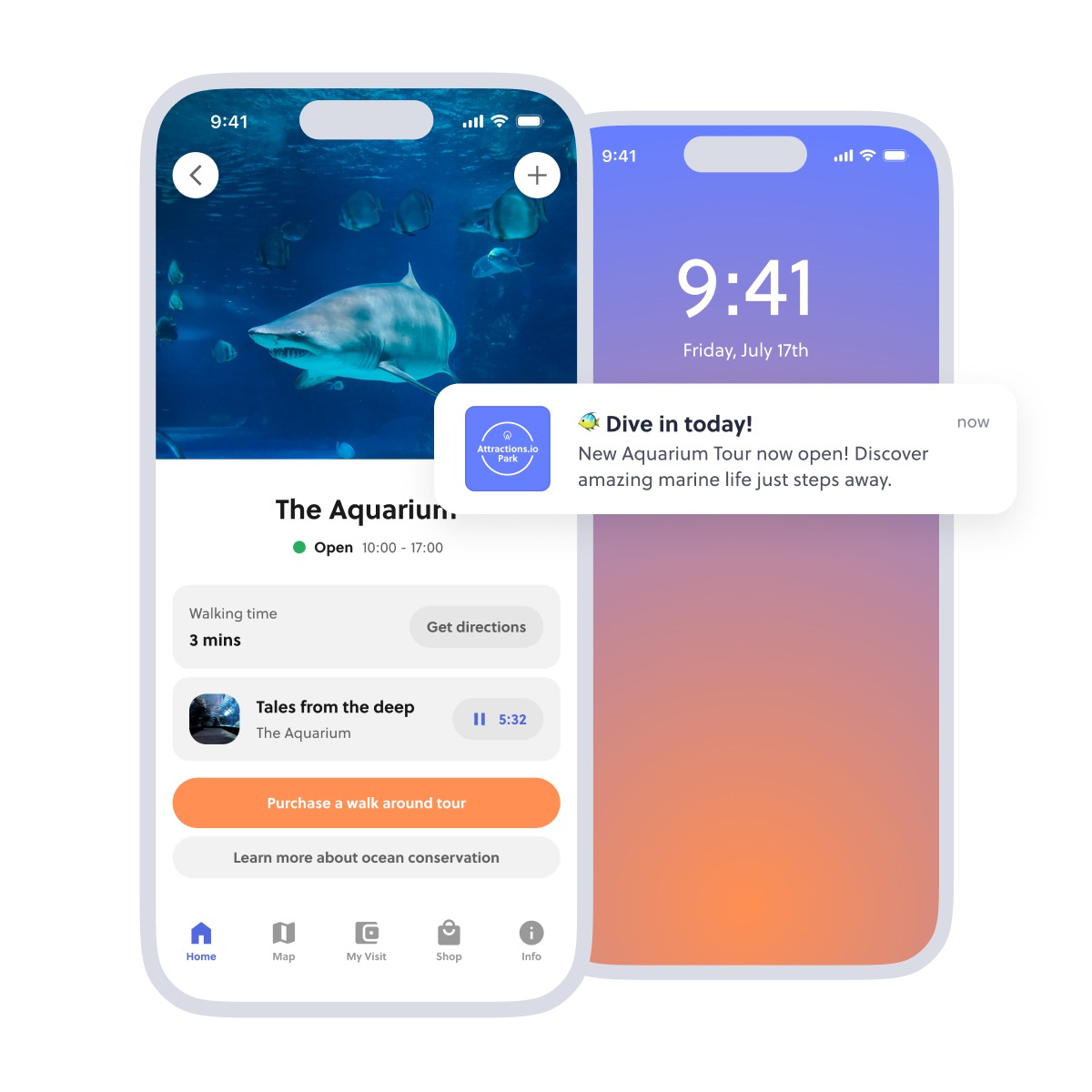
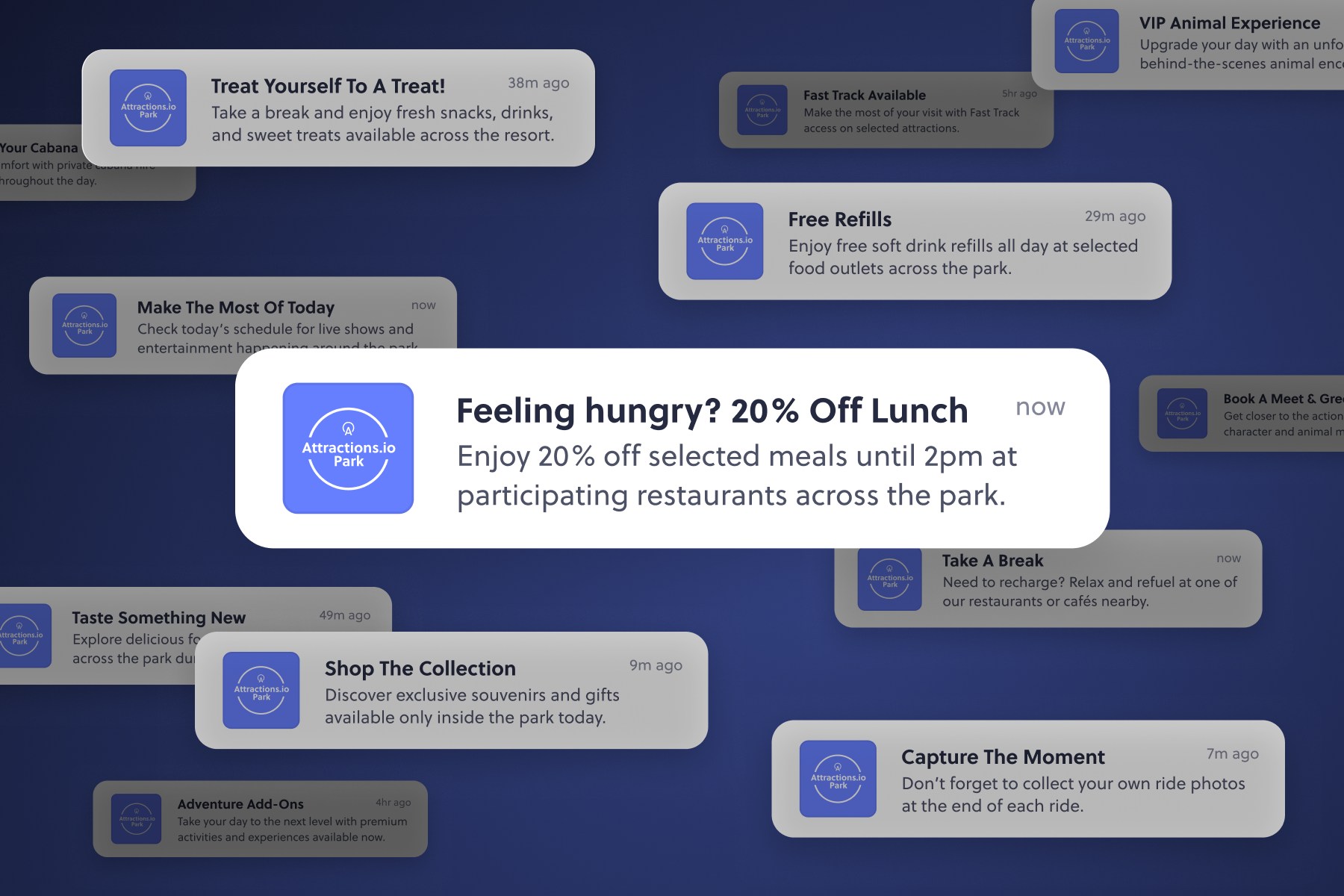
Send personalised notifications powered by a combination of real-time data, guest behaviour, and time or location, ensuring the right message reaches the right guest at the right moment during their visit. For example, as a guest enters the park, trigger a personalised greeting, welcoming them by name and linking them to their mobile wallet to retrieve their tickets.
Once inside, Bluetooth beacons placed at key locations, like next to popular rides, exhibits, or dining areas, can prompt notifications based on proximity. A guest walking past the aquarium after previously favouriting it in the app might receive a reminder that a feeding demonstration starts in 10 minutes.
Time-based triggers also play a key role. If a guest has a show booked in their planner at 2 PM, the app can deliver a helpful reminder 15 minutes prior, including directions from their current location. These triggers are all managed through the platform's backend, giving operators full control over timing, audience, and messaging cadence.
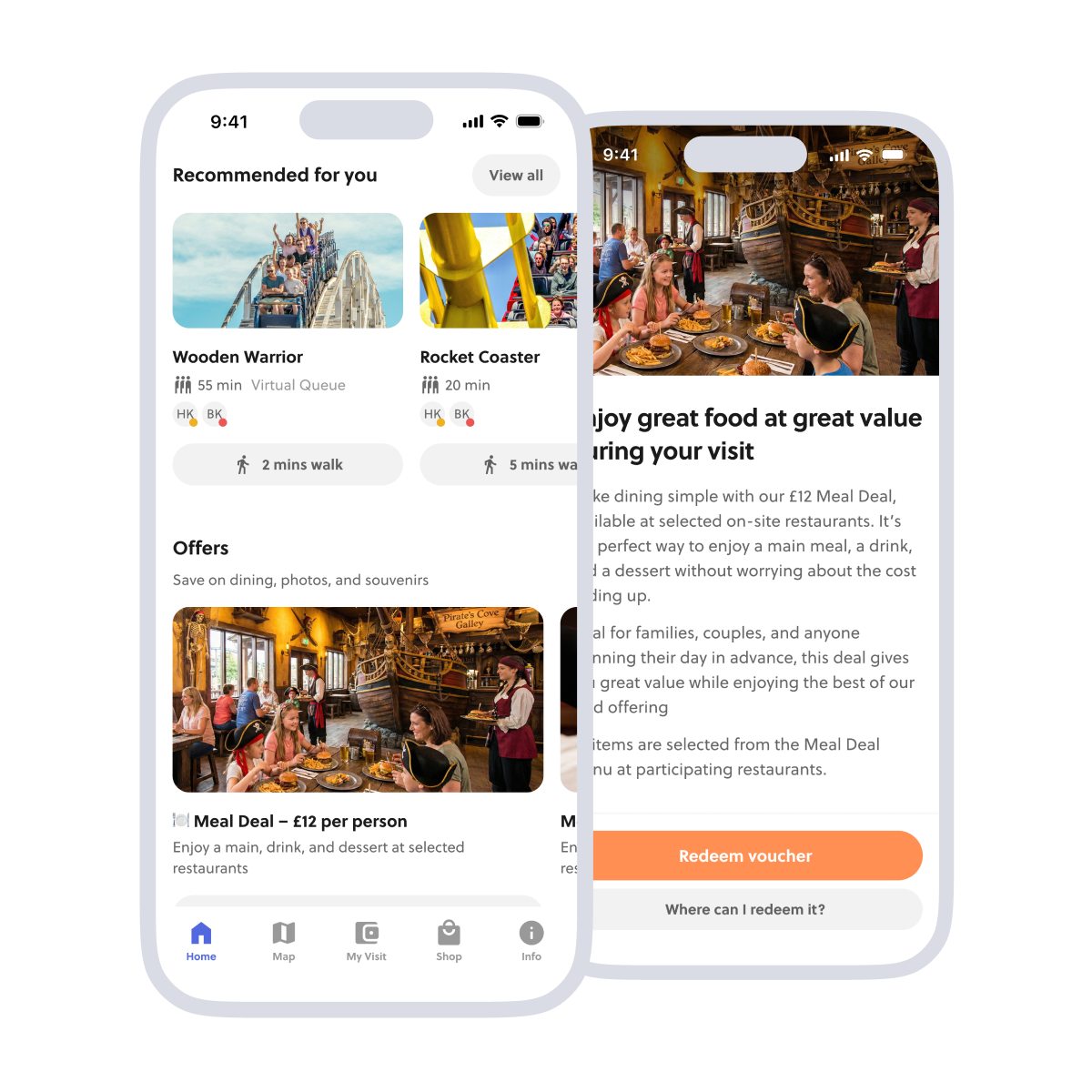
In-app upgrades and offers enable operators to deliver segmented, personalised promotions that are both timely and relevant. Like notifications, offers can be triggered by guest behaviour, location, or time. For example, prompting a ‘kids eat free’ meal deal at 11:45 am, offering a discount on ponchos when rain is forecast, or sending an exclusive return offer to guests who logged into the app recently, but didn't buy a ticket.
This level of specificity ensures that guests receive only offers that align with their context and interests—boosting engagement, increasing spend, and enhancing the overall experience.
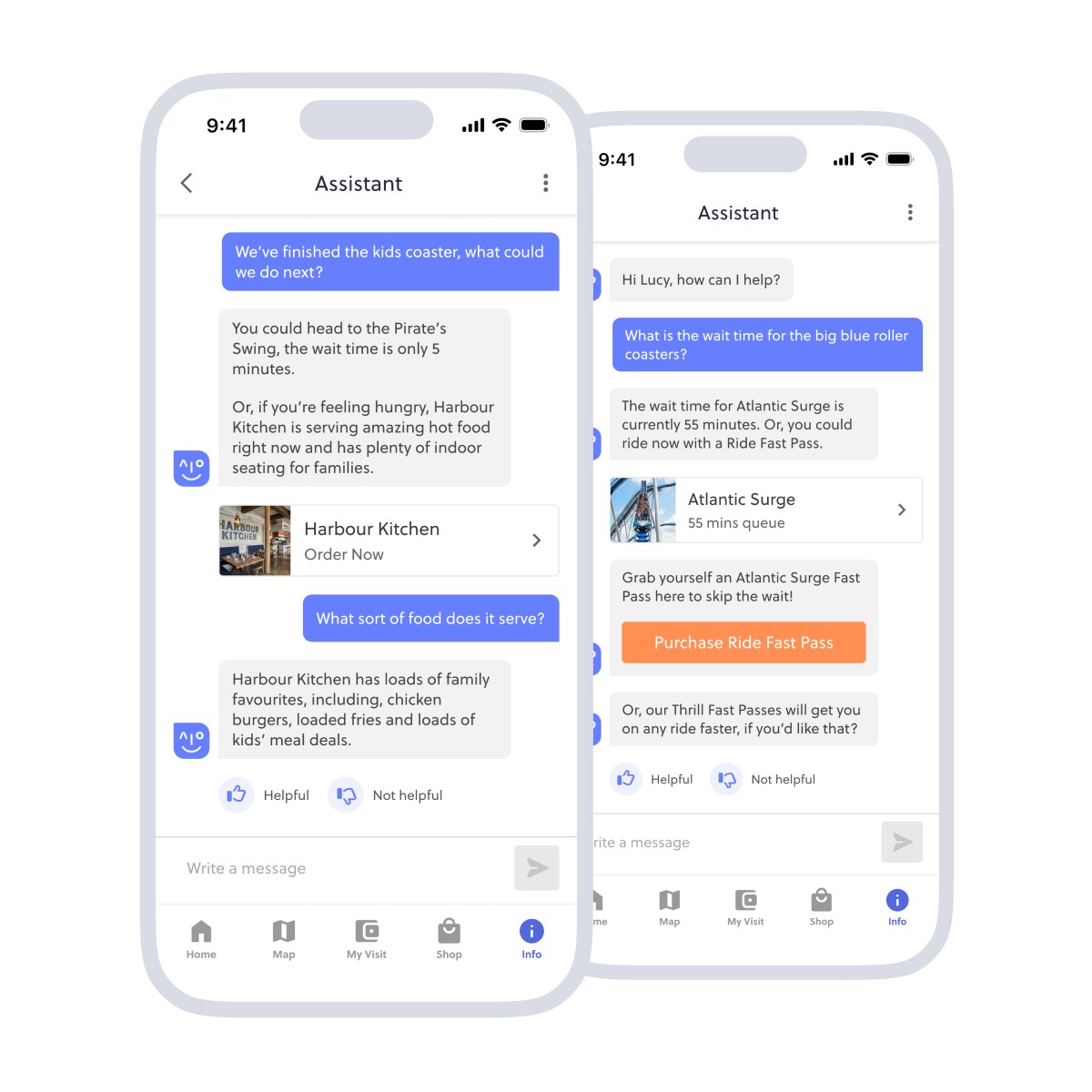
Every guest has different needs:
An AI assistant doesn't just provide a generic answer; it provides a contextual one. It knows where the guest is standing and can provide walking directions to that gluten-free menu option or quiet zone immediately. This level of responsiveness makes the guest feel seen and cared for, reducing friction and allowing them to focus on making memories.
Personalisation in attractions is no longer limited to pre-visit emails or one-size-fits-all messaging. The best mobile app platforms give attraction operators both the data and tools needed to personalise every stage of the guest journey, helping guests plan smarter, navigate with confidence, and receive relevant messages and offers in real-time.



.jpg)