.png)
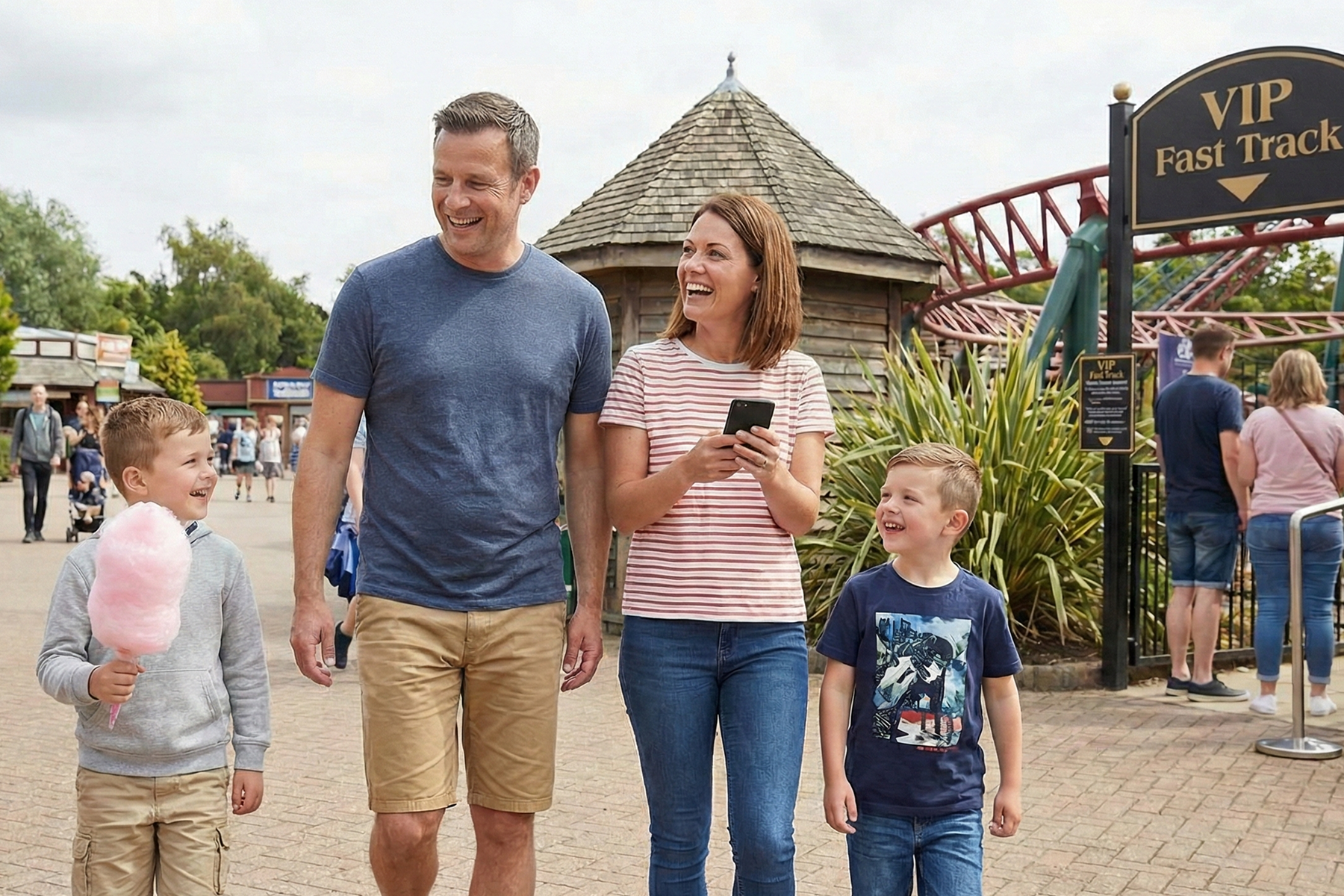
Across the operators we work with, the pattern is the same. Guest expectations are rising faster than most digital infrastructures can keep up with. Many attractions still rely on disconnected systems, static maps, and manual guest support, while their guests expect real-time answers, personalised routes, and frictionless transactions.
Our Digital Guest Experience Report reveals a significant gap between what guests expect and what operators currently deliver. 30% of guests say digital offerings are too limited, and 23% find them hard to access. And that's now, not in 2030.
Based on what we're building and seeing across the industry, the next wave of attraction technologies won't just address individual problems, such as wayfinding or fast-pass purchases.
They'll operate as a connected layer that interprets behaviour, responds to demand in real time and quietly optimises the entire guest flow in the background. Operators will rely on automation to relieve pressure on teams and on joined-up data to drive decisions, and need technology that adapts as quickly as a guests day does. Here's where the industry is heading, and what operators are already planning for.
This sits at the top of every operator's priority list, and for good reason. 64% of guests say a great digital experience makes them visit or buy more, and 63% say it deepens their emotional connection. The challenge is scale. Delivering relevance to thousands of guests in real time simply isn’t possible manually.
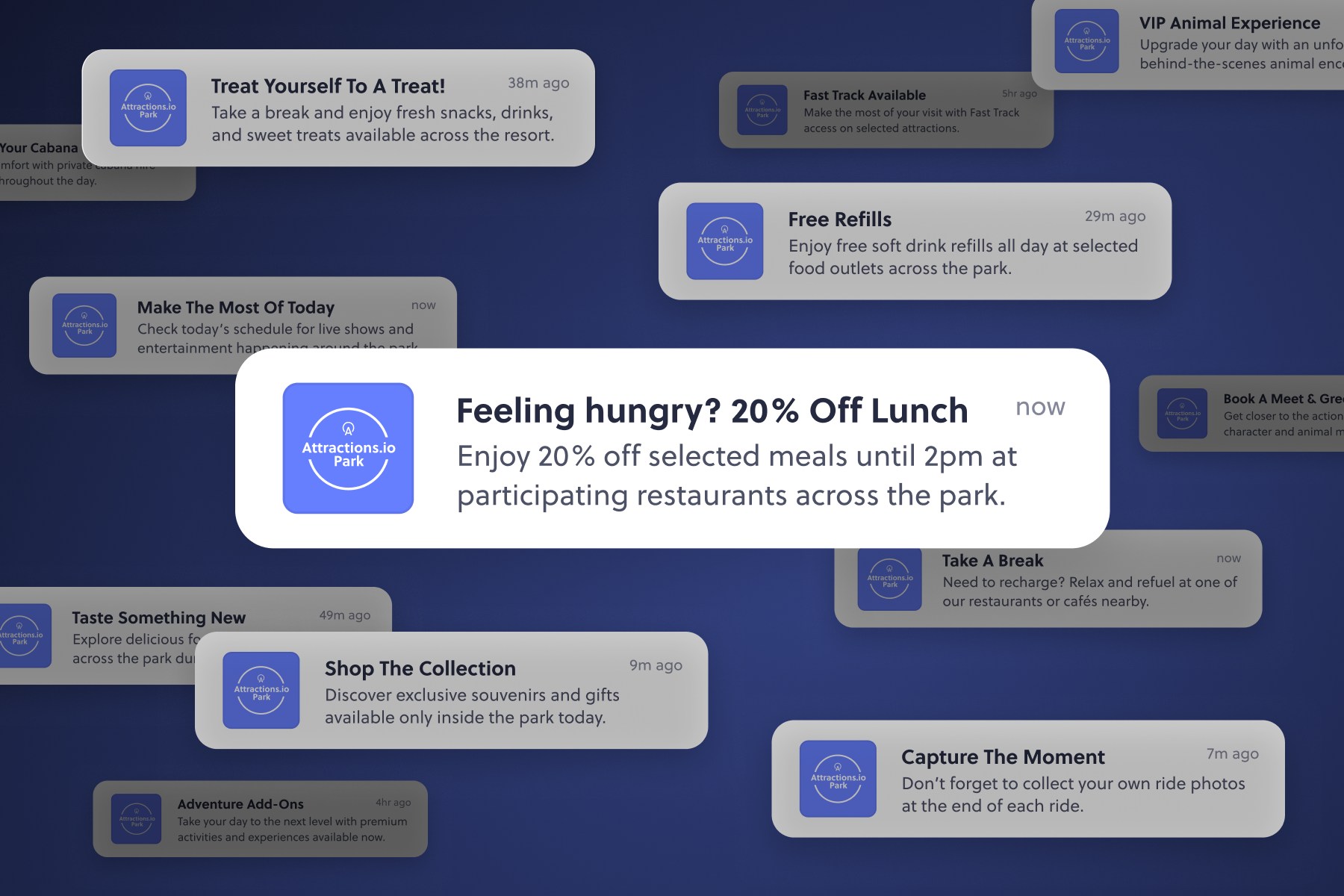
That's where generative AI changes the game, by tailoring recommendations based on behaviour, context and intent. From suggesting lunch after a busy morning to nudging families toward child-friendly routes, it reacts in the moment, not hours later and without human intervention.
Another shift that's happening quickly is guest behaviour itself. Research shows that more than two-thirds of customers prefer self-service when the right tools are available, and the pattern is no different in attractions. Guests want fast, accurate answers without queuing for a staff member.
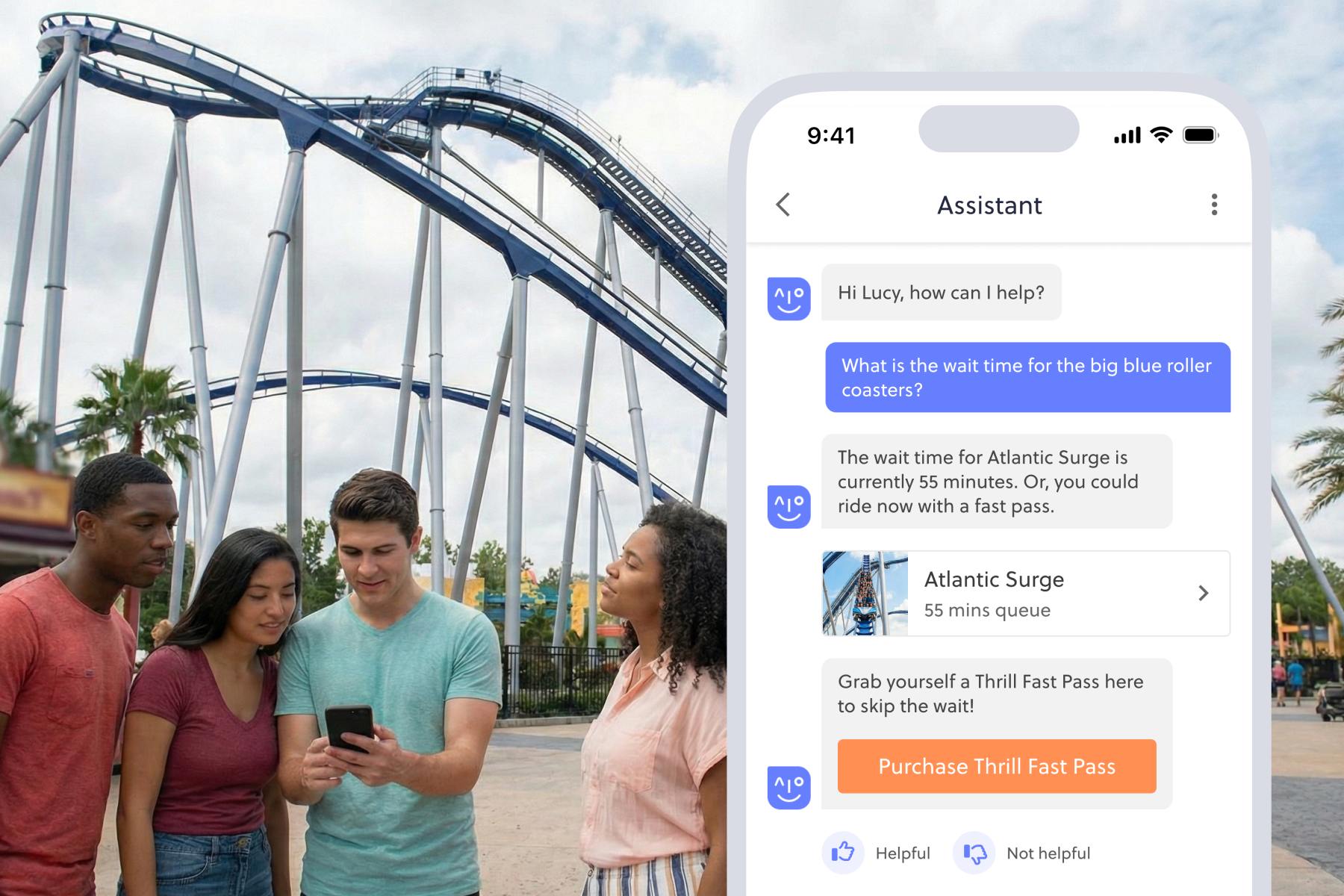
Operators we speak to say the same thing: they can't scale personalised support with staff alone. AI is the only realistic way to deliver real-time guidance at the pace guests expect. And as every operator knows, most guest questions are repeated day after day. If guests could answer those in a single tap — or get an instant response from AI — it would save vast amounts of staff time and give guests more of what they came for: time in the park, not time waiting for answers.
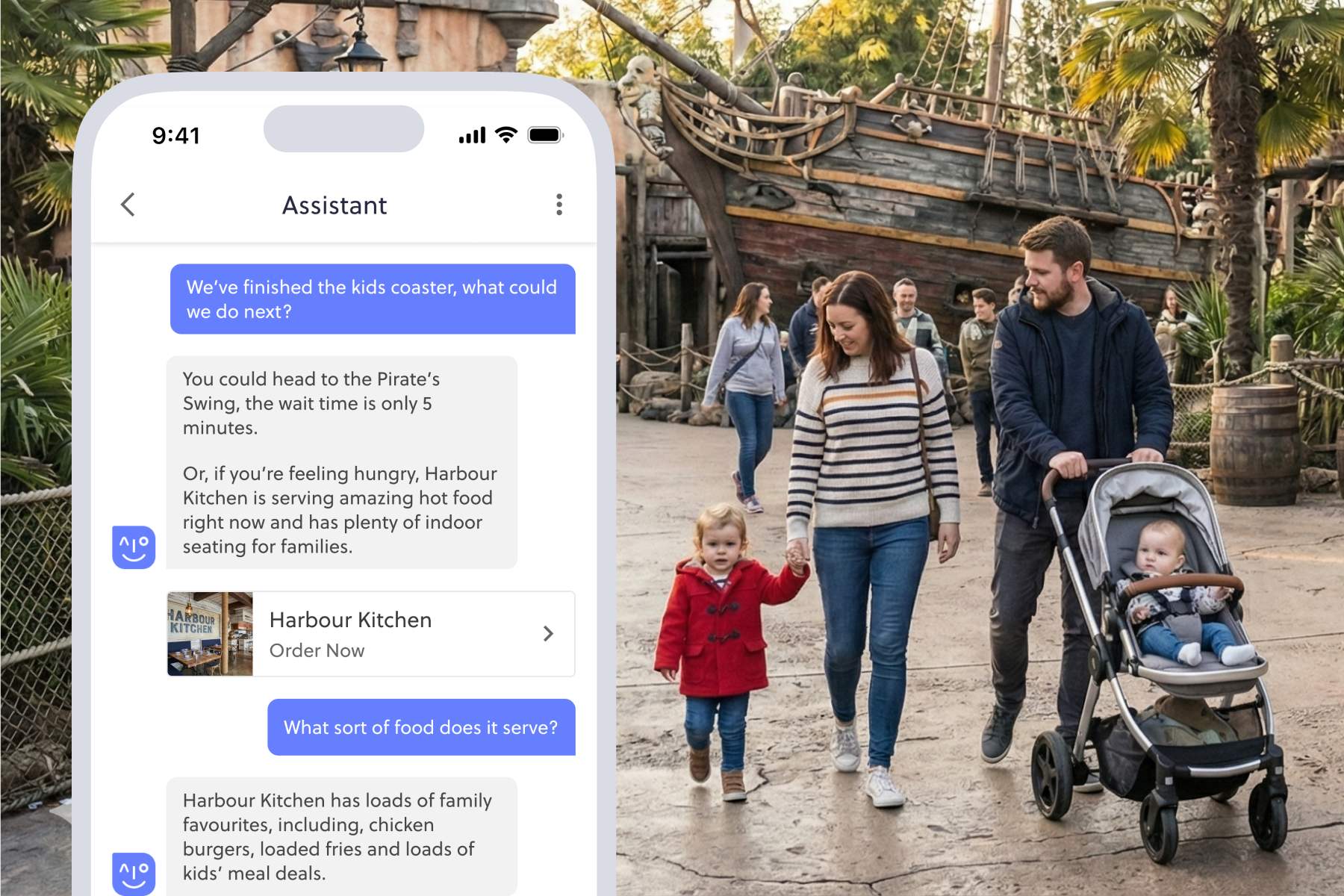
Tools like our Conversational AI Assistant are already planning routes, answering questions and making recommendations instantly, reducing wait times and removing routine enquiries from on-site teams.
According to IAAPA's latest quarterly outlook summary, the average attendance growth for attractions is 55%, while 39% are experiencing a decline in attendance in 2025. In fact, the proportion of attractions in decline has grown every quarter so far this year.
Disney has shown what the next era looks like: flat attendance, but an 8% rise in Parks & Experiences revenue, and a 22% increase in operating income, all driven by yield, not volume.
This shift mirrors where hospitality has already gone. Hotels continuously adjust prices based on occupancy, demand and behaviour. Attractions are now heading the same way. Using dynamic pricing, demand modelling and live signals to optimise the day in real time rather than planning for an average one.
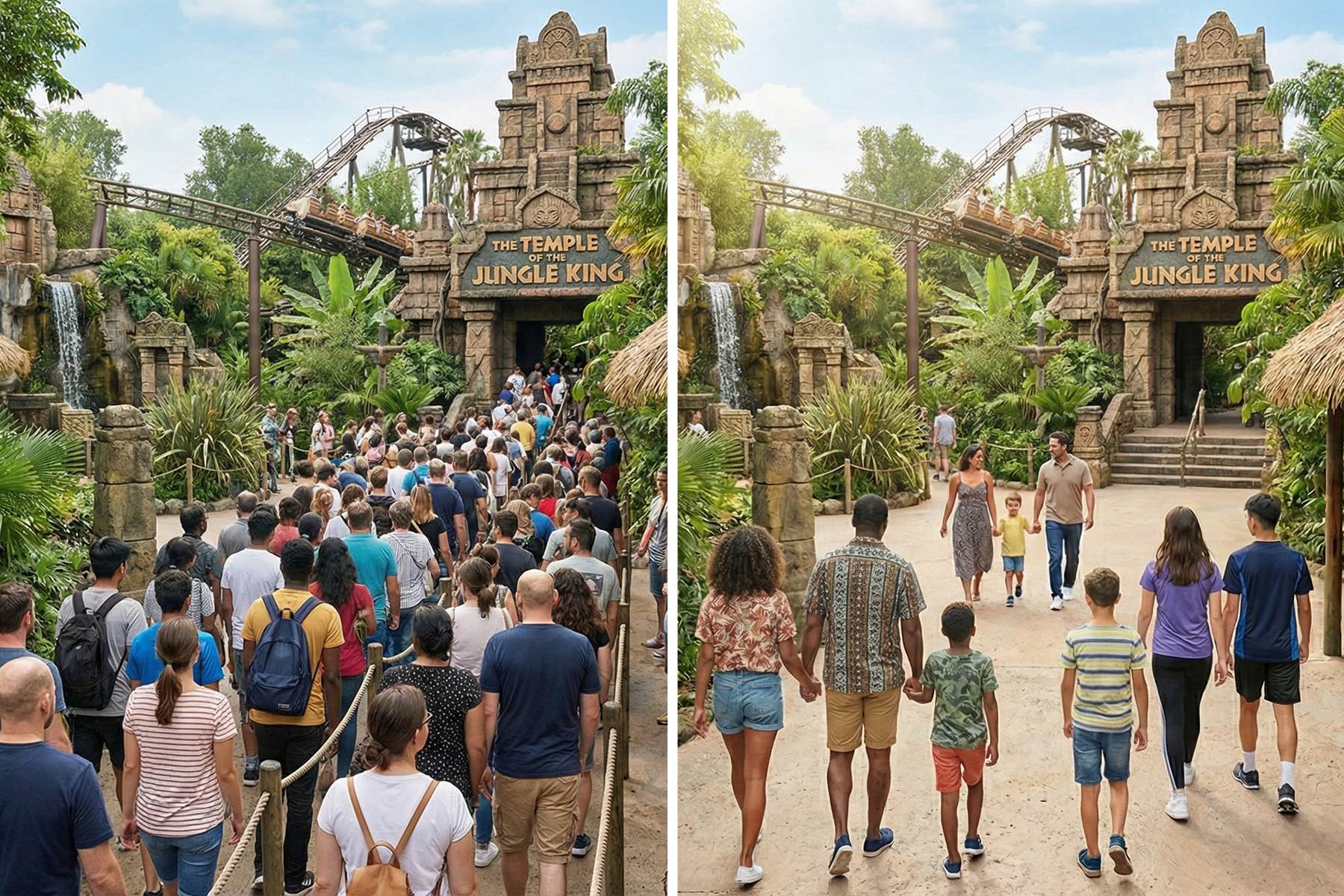
Guests are on board. According to industry benchmarking, 76% of guests would pay more for better service, fewer crowds, or exclusivity, and 56% say overcrowding is their number one frustration. That's why operators are moving towards systems that automatically respond to demand, balance crowd flow, and surface upsells when guests are most receptive.
The outcome? Improved throughput on peak days, pinch points across the site are far less common and secondary spend is more predictable on quieter ones.
If you want to dive deeper, our Attraction Marketers’ Guide to Revenue Growth breaks down exactly how operators can do more with less, and the 5-step strategy the most successful attractions are using right now to grow revenue beyond admission.
.png)
Sustainability isn't new, but the way operators tackle it is changing fast. Rising printing, postage and supply costs mean going digital isn't just greener; it's more efficient. Making maps, tickets, schedules and membership cards digital can strip out huge amounts of waste and give guests an up-to-date, faster experience.
Columbus Zoo is a great example. After launching digital membership and mobile wallet, 97% of members adopted digital, 94% of guests reported a positive experience, and 43,000 passes were imported in the first month. Read how they did it here. That's a clear signal: guests want digital, and they're quick to embrace it when it's presented well.
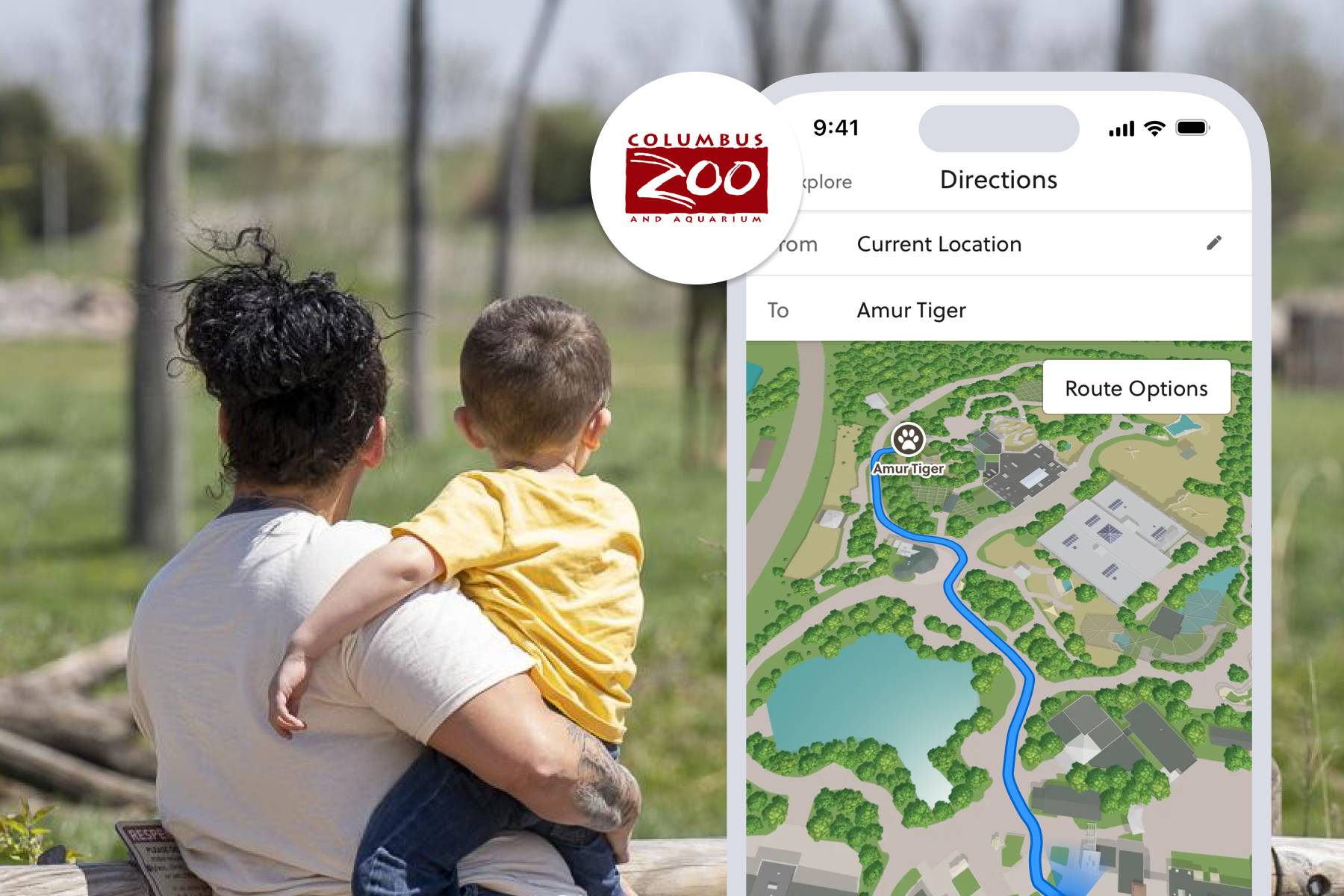
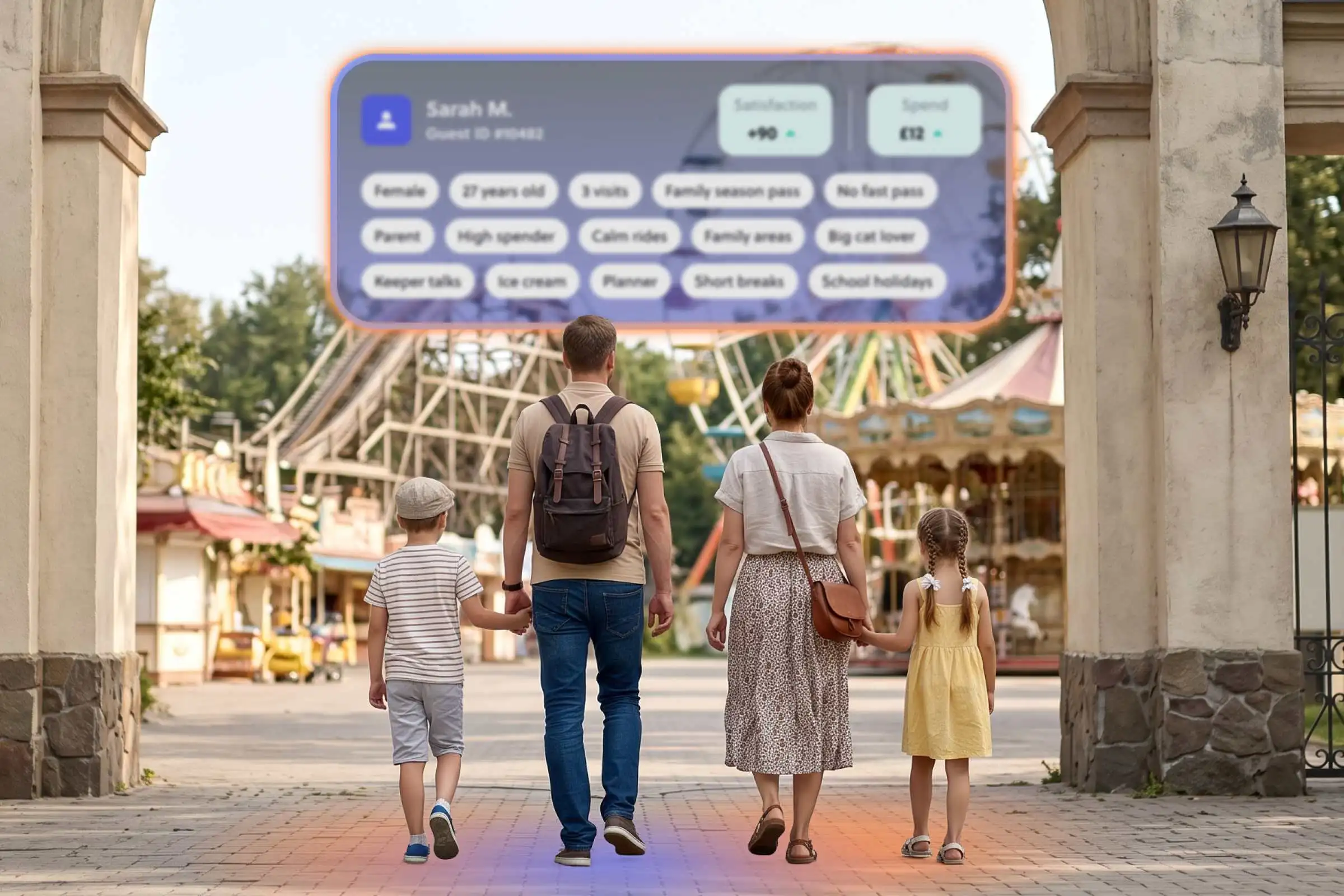
And once that shift happens, operators unlock something even more valuable. Clean, consolidated guest data. Instead of scattered records across ticketing, POS, membership systems, and physical cards, everything is consolidated in one digital ecosystem. That foundation enables attractions to start building a comprehensive picture of each guest: how often they visit, what they engage with, what they value, and when they’re most receptive.
From there, you can begin doing things that simply aren't possible with paper-based workflows, like timing renewal prompts for when a guest has just had a brilliant day, or automating personalised follow-up journeys that turn one visit into two, and two into a membership. Digital sustainability becomes more than an efficiency play; it becomes a predictable, repeatable revenue generator.
Wayfinding technology can already highlight step-free routes and avoid difficult terrain, but operators will need to go further by offering sensory-friendly routing, quieter pathways and guidance designed for guests with additional needs.

And this is only the start. With real-time signals, digital platforms will begin making wellbeing-focused suggestions automatically: nudging guests toward shaded areas during heat spikes, prompting families to refill water bottles at nearby fountains, routing large groups away from bottlenecks and identifying quieter zones when guests feel overwhelmed. For operators, the value is twofold: better experiences for guests who require more support, and reduced pressure on frontline teams who currently bear the burden of wayfinding and reassurance.
However, the bigger shift lies beneath all of this. Every one of these interactions, from water fountain prompts to shade recommendations, helps attractions build a clearer picture of what guests actually need in the moment. If a simple push notification about nearby water stations consistently gets high engagement, and that insight is paired with heatmaps showing where guests cluster during hot weather, operators suddenly have real data on whether a new water point is needed, where it should go and how to avoid it being missed.
This is where accessibility and wellbeing tools become more than supportive features. They become drivers of smarter planning, better investments and experiences that keep guests coming back, telling friends and leaving stronger reviews.

'All of this can sound daunting, but it doesn’t need to be. The operators who are already pulling ahead aren't the ones who rebuilt everything from scratch. They're the ones joining things up, one step at a time.
Chester Zoo is a perfect example. Mobile ordering, payments, location data and behaviour signals all now feed into one system, and everything became clearer. What guests were doing, when they were buying and where bottlenecks were forming. Their results demonstrate the value of connected guest data, with a 52% increase in transaction value, a 49% year-over-year growth in F&B revenue, and a guest journey that finally felt connected end-to-end.
Getting results like that doesn't require a huge leap from your current setup. It starts with joining up the first few pieces, proving value and building confidence as you go.
Knoebels also proves this. They launched their core app in eight weeks from contract signing, then added ticketing, payments, mobile wallet and ride photos one step at a time. That incremental approach now delivers 99% positive guest feedback, 35% marketing opt-ins and up to 20% conversion on in-app messages, giving Knoebels clearer operational insight, more engaged guests and a connected digital ecosystem that's growing more capable with every season.
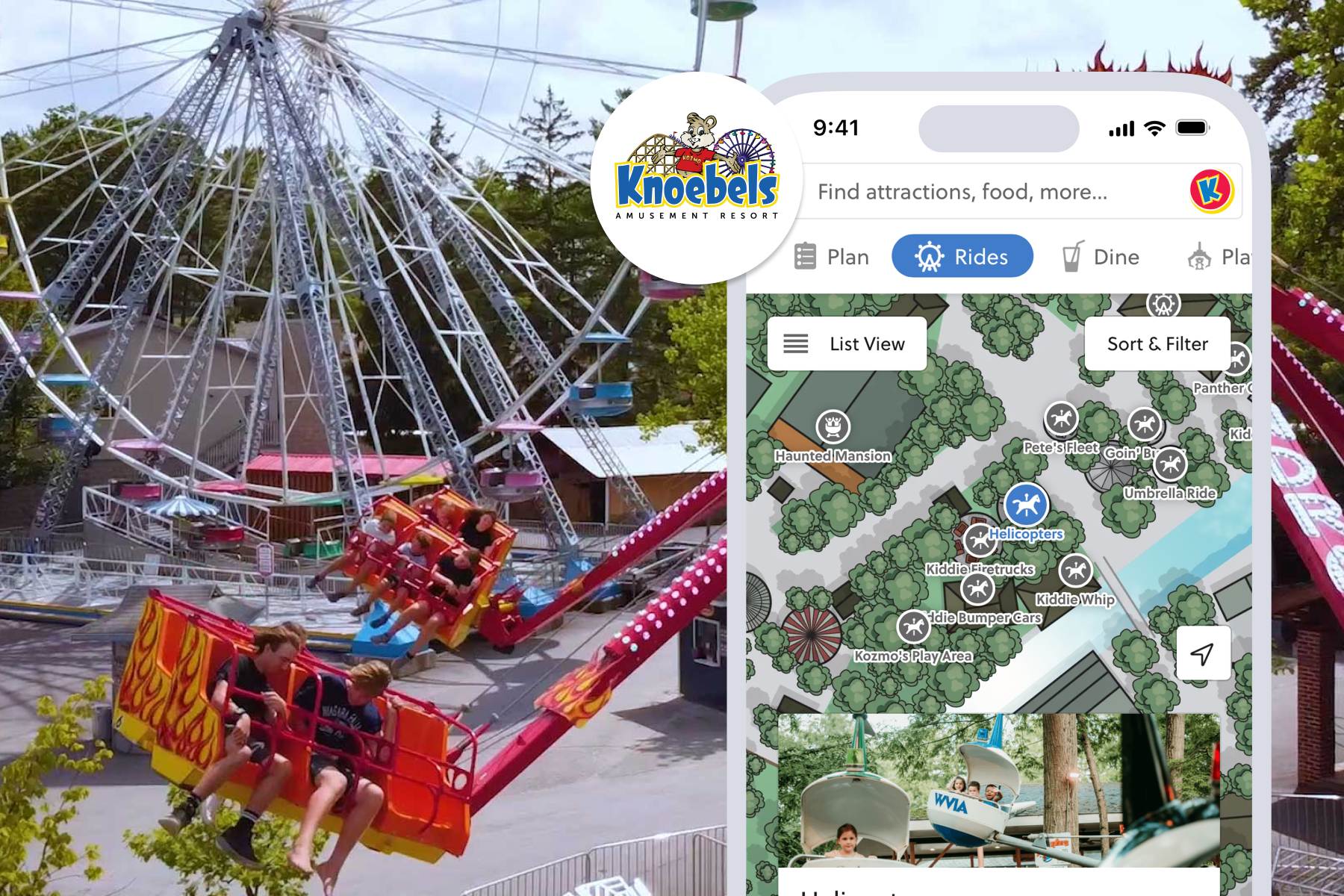
By 2030, the attractions that pull ahead will be the ones with this connected view of the guest. One single point of truth for guest profiles and an intelligence layer that adapts automatically as the day unfolds.
If you're weighing how to set up your digital strategy for the next five years this short video from our CEO, Mark Locker, is the clearest place to start.
For a look at what’s coming, our roadmap highlights the investments shaping the future of our partners’ apps and how to make sure you’re ready long before 2030 arrives.



.jpg)