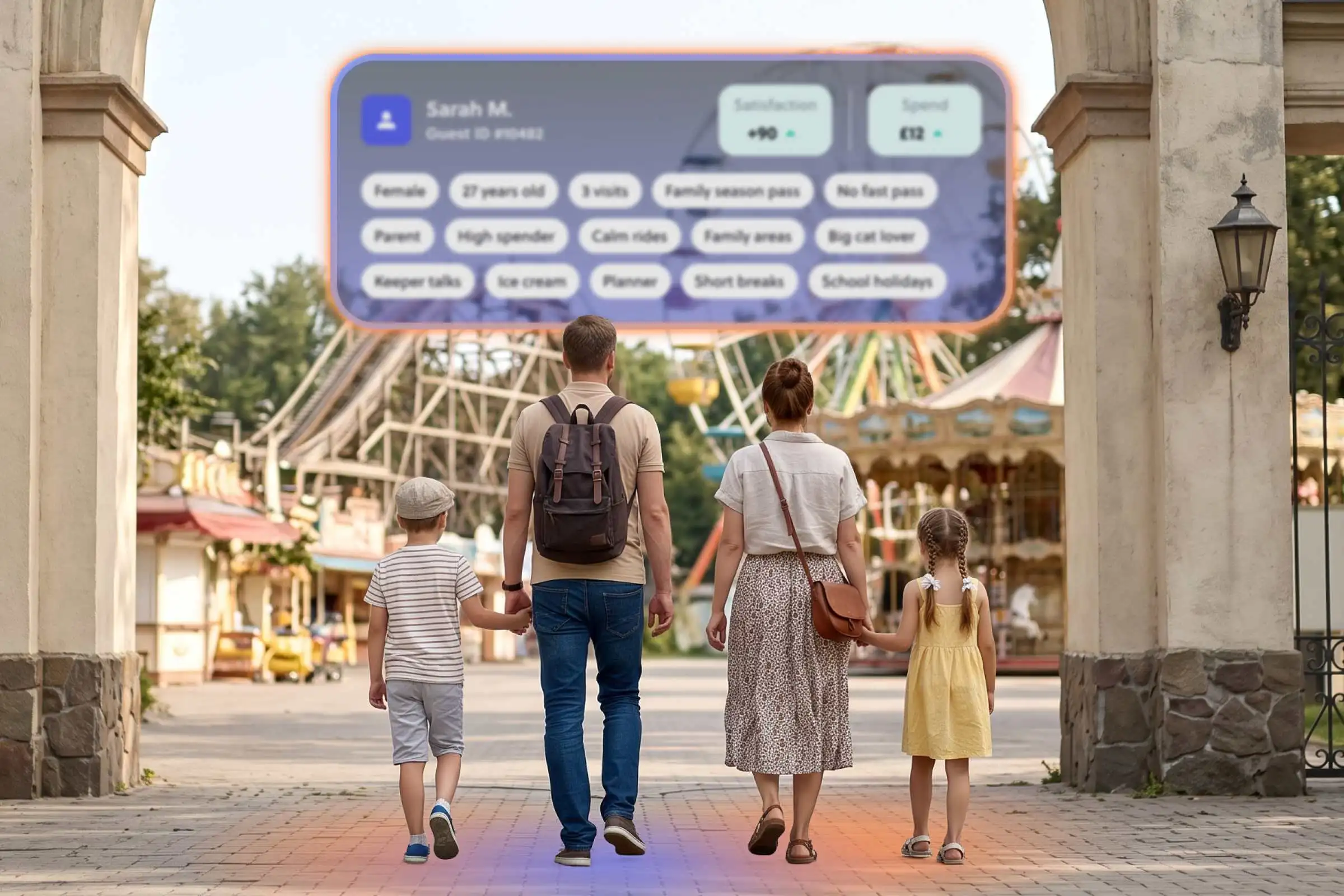
Pause on that celebration, though. The turnstiles counted every guest who walked in, but most of the guests who visit your attraction are, as far as your data is concerned, strangers.
You can count them, but you can't name them, reach them or recognise them when they come back. And that is costing you three things: repeat visits, on-site spend and memberships. It doesn’t have to be that way.
How many of those guests could you name? Did the family who arrived at 10 am eat with you, or bring their own lunch? Who was on their sixth visit this year and ready for a season pass? Who left a glowing review last month, and who left a one-star review?
Across the attractions we work with, most bookings cover three or four guests. Your best source of data, a direct website booking, usually names just one: the booker. The rest of the party is effectively invisible. You might know their ticket type, adult, child or concession, but not what they came for, what they loved, or whether they're the guest most likely to return.
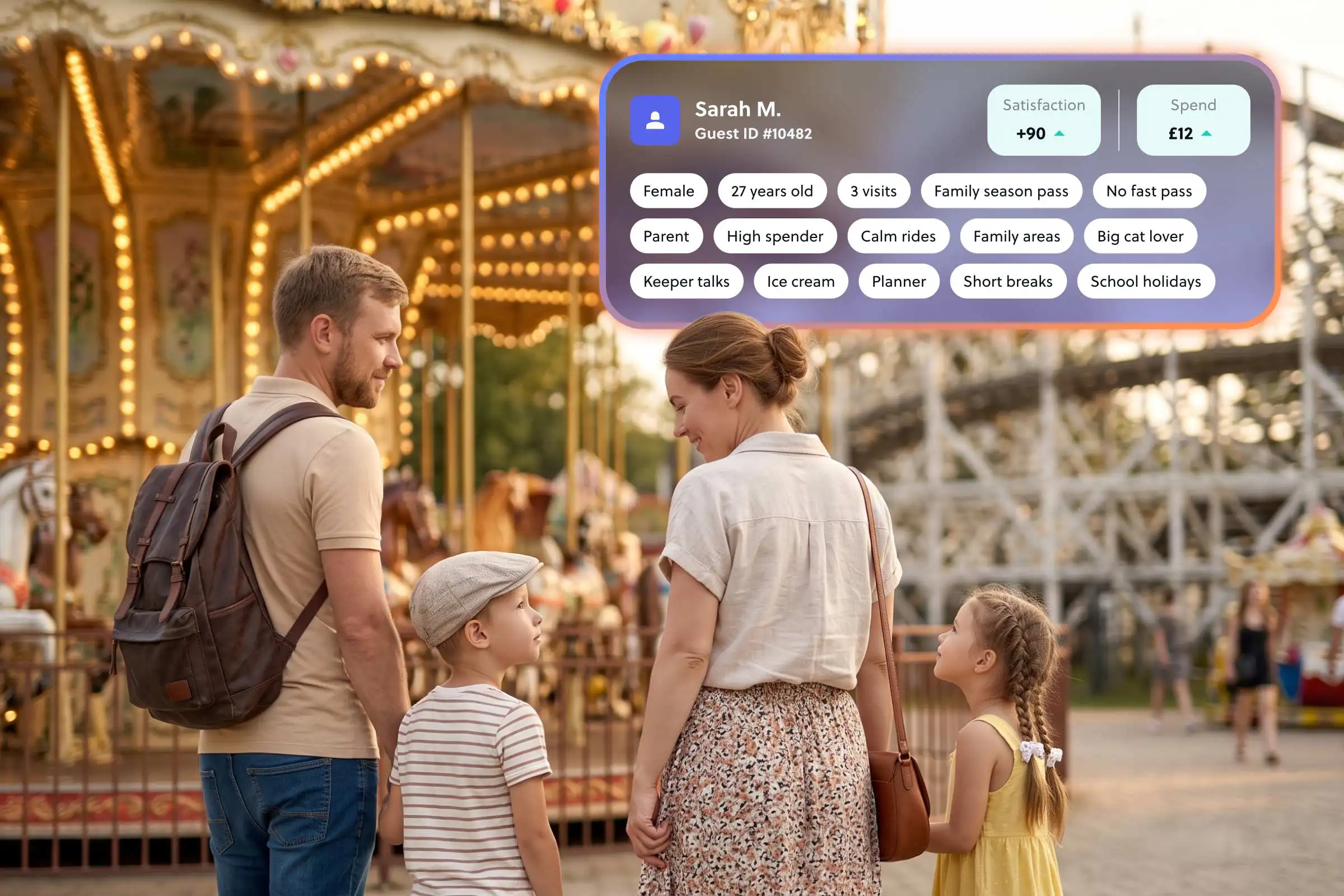
And the data is right there for you to collect during the visit. Things like what they search for, where they spend time, what they buy, when they eat, what they skip and what they come back to. The problem is that most attractions either do not capture those actions, cannot attach them to a known guest, or cannot join them together across the systems they already use.
And for a growing share of guests, you never get the chance to capture any of it, because the relationship is taken before they even arrive.
Online travel agencies (OTAs) now deliver 18% of attraction bookings globally (CITE). The OTA keeps the guest relationship and most of the data, and charges 20 to 30% commission for the privilege. Hotels learned this the hard way. Booking.com is well known for masking guest email addresses behind anonymised aliases, precisely so hotels can't build a direct relationship with the people sleeping in their own beds.
The antidote is a strong owned channel. When you give guests a genuine reason to book or engage directly, through your own website or app, you keep both the relationship and the data that an OTA would otherwise take. Across the attractions we work with, close to 70% opt in to hear from the venue directly. This is the difference between renting access to your guests and owning it.
You might already sell plenty of tickets directly and own that data. But can you build a unified picture of a guest, or is your data fragmented? Most attraction tech stacks look the same: ticketing in one system, email in another, POS in a third, and none of them talking to each other to build a single picture of the guest.
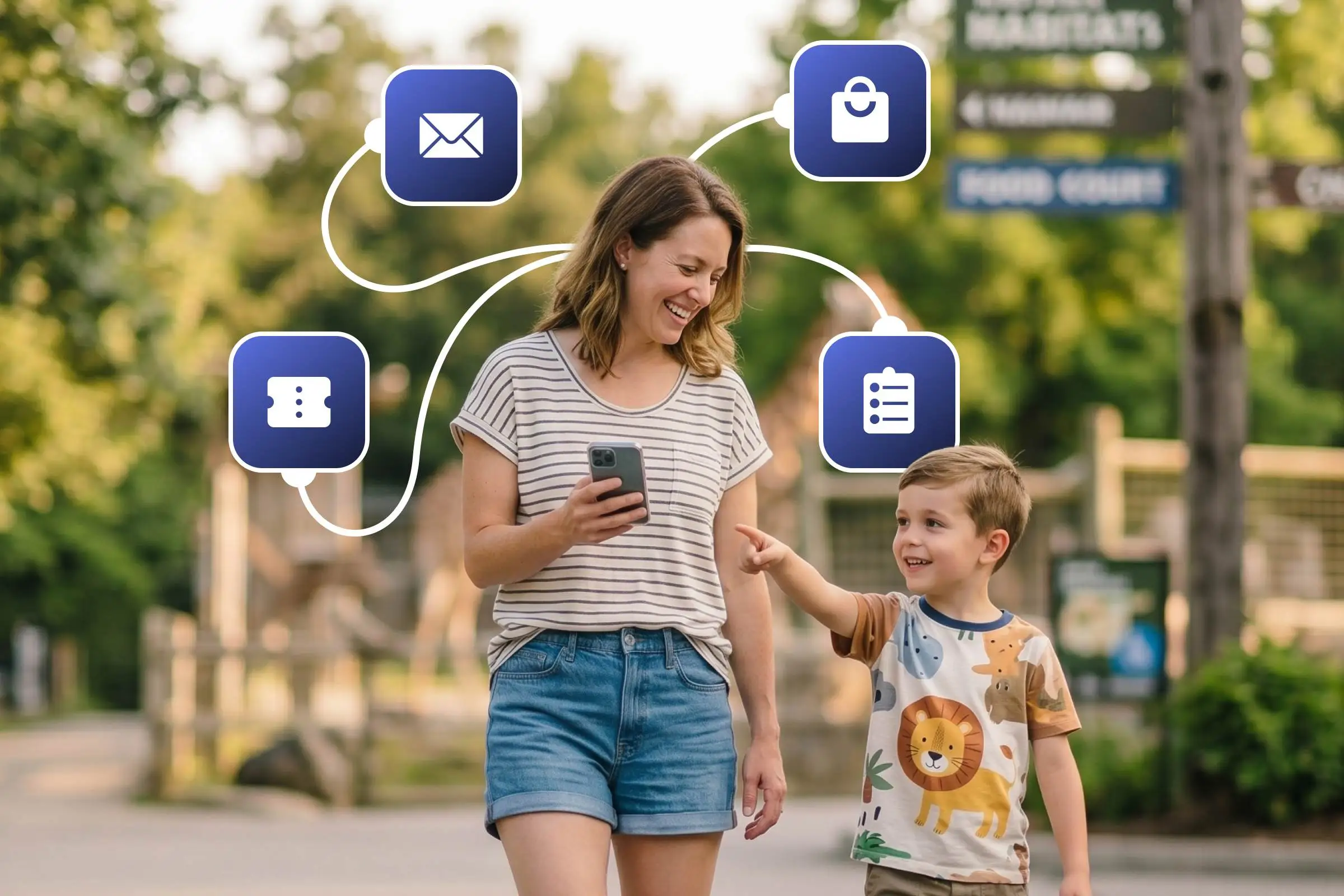
This isn't through negligence - it’s just that our industry digitised transactions very effectively. The impact is a crowded ecosystem of separate vendors, each very good at its own job and poor at sharing with the rest. Every transaction gets counted, charted and pulled into reports without a bird's-eye view of how they all connect.
The economy of acquisition is becoming more challenging by the day. Only a third of attractions are growing attendance at all, acquisition gets more expensive every year, and OTAs and other third-party channels keep chipping away at the direct relationship. When growing the top of the funnel gets harder, you need to put more effort into getting as much value as you possibly can from the guests you already have, and that only works if you can recognise who they are.
To compound those challenges even further, more of the decisions that can create that value are happening later and later. Navigate looked at the booking curves of more than 50 attractions and found nearly half of families booked within 48 hours of their visit. Yet most operators still can't recognise the guest in front of them, target the one who's ready for a pass, or time the nudge while the decision is live. And that’s not even considering the dozens of micro-decisions guests are making during the visit itself. Where to eat, should I get a fast pass, can I make it to that keeper talk I heard about, whether to add the upgrade, whether to come back on a season pass.

This is why scheduled campaigns are no longer enough. They still have a role in driving bookings. But campaign thinking on its own is too blunt and too static for a live, physical environment. But campaign thinking is too blunt and too static for the decisions a guest makes once they are through the gate. An offer planned weeks out and sent to the whole list arrives on schedule, not in the moment a guest is actually deciding. Each of those moments is a chance to shape what they spend, and most attractions have no way to be present for any of them.
How much does anonymity actually cost?
Admissions are only part of the commercial picture. Industry forecasts put ticket sales at 55 to 60% of theme park revenue, with another quarter to a third coming from what guests spend inside, on food, retail, upgrades and memberships.
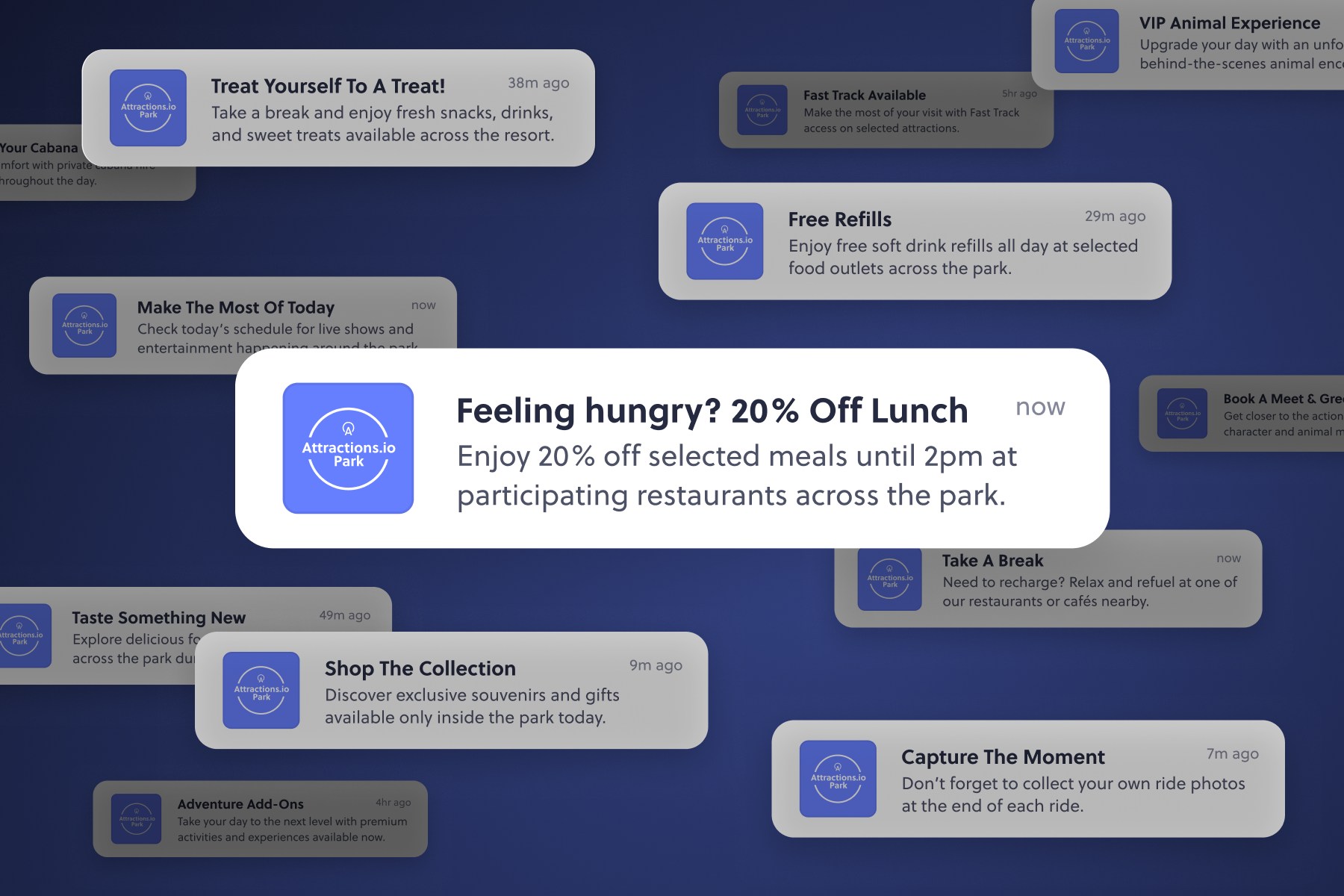
And those spending decisions made during the visit are why timing and relevance matter. A lunch offer is more useful before a family has eaten. A membership prompt is more persuasive after a great day than three weeks later in a generic email. The more clearly you understand the guest and their context, the better your chance of influencing those moments.
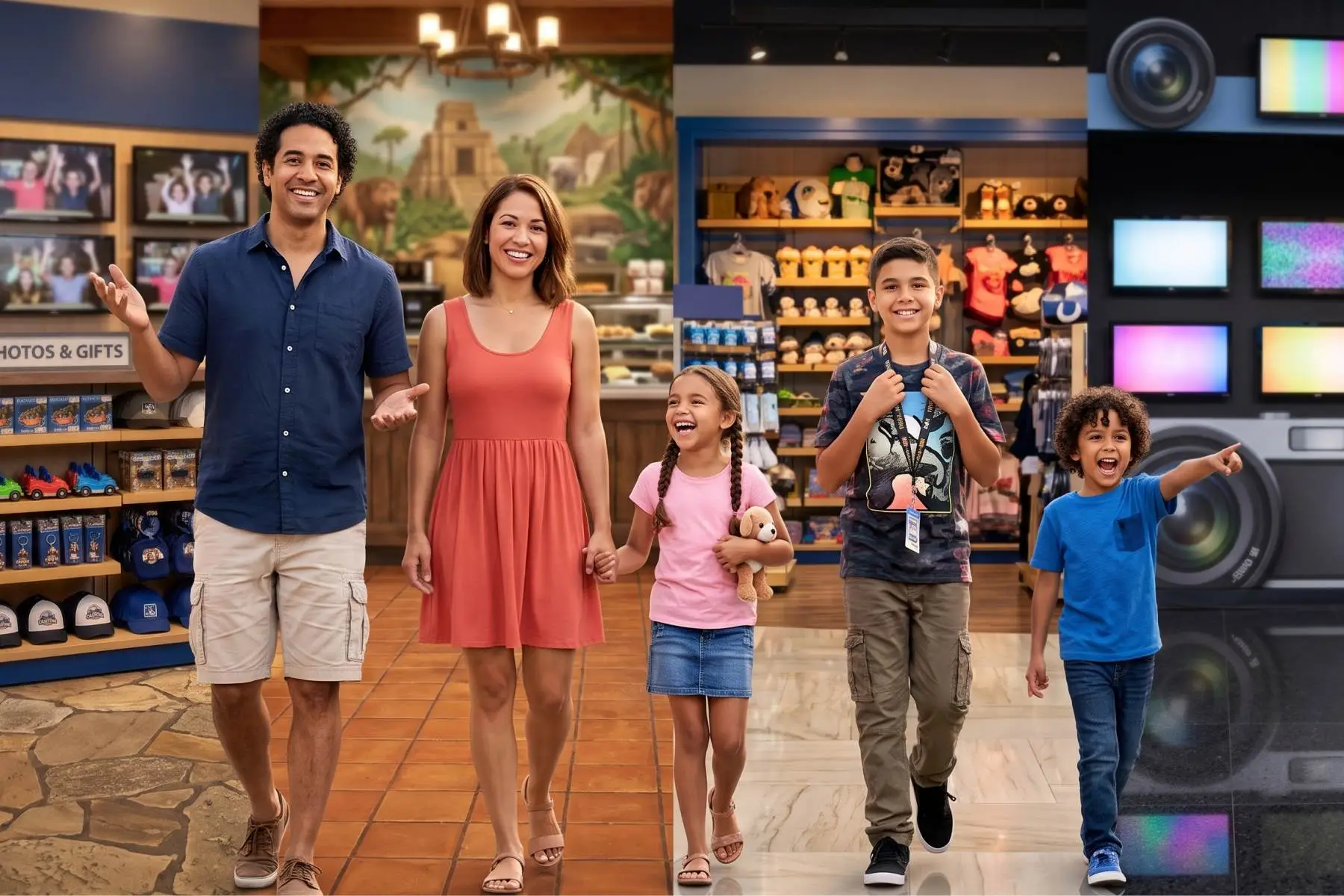
Then there are membership and season passes, which turn unpredictable day tickets into revenue you can bank before the season starts. You can only sell a pass to a guest you can recognise. Right now, the regular who would happily commit looks no different from the tourist who will never return, so the offer reaches neither. Across a sample of major attractions we work with, repeat visits account for around a quarter of annual visit volume, a base of would-be members you simply can't pick out.
The obvious objection is that guests don't want to be known. The evidence points the other way. 82.5% of guests say they would share personal data in exchange for more personalised rewards. And our own research found 64% of guests would visit more often, and 63% would pay more, after a high-quality personalised digital experience.
Your guests want these relationships. Most venues simply have no way to provide them.
For years, this looked unsolvable. The right thing to offer a guest depends on a dizzying number of live variables: where they are in the park, what they have already done, what is nearby, what is open, what has a queue, what suits their party, and whether the sun is shining.
No campaign calendar can hold all of that for one guest, let alone thousands at once. So even the largest operators could only batch the message, pick a broad segment, hit send and hope.
But now, software can reason. AI can weigh all of those variables for an individual guest, in the moment, and form a judgment about what they should see next: the offer worth making, the message worth sending, the time it is actually useful. And it does this for every guest at once, all the time.
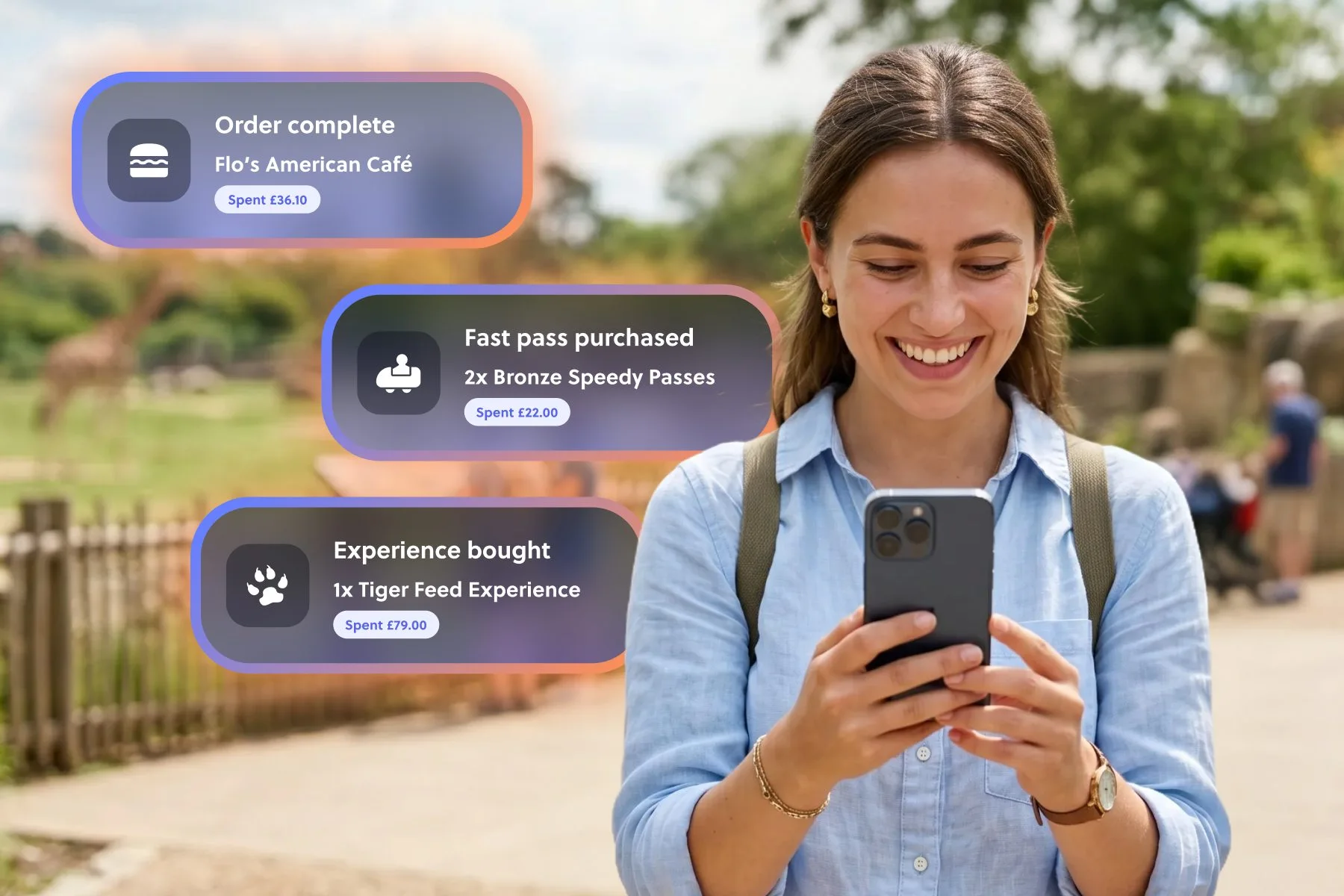
To do this, though, it has to understand the guest - and your systems must be joined up so that ticketing, POS, email and your app all add up to one live picture.
That record-breaking July was a brilliant month. The only thing missing was knowing exactly who you shared it with.
How much commission do OTAs charge attractions, and who keeps the guest data?
Online travel agencies deliver around 18% of attraction bookings globally and typically charge 20 to 30% commission. They also keep the guest relationship and most of the data. A strong owned channel lets an attraction keep both the booking and the relationship behind it.
How can attractions collect first-party guest data?
Attractions collect first-party data by giving guests a reason to book and engage through their own website or app rather than a third party. A branded app or account ties each visit to a person instead of a transaction. Across attractions with a strong owned channel, close to 70% of guests opt in to hear from the venue directly.
Do guests actually want personalised, recognised experiences?
Yes. 82.5% of guests said they would share personal data in exchange for more personalised rewards. Attractions.io research found 64% would visit more often and 63% would pay more after a high-quality personalised digital experience.
Why isn't collecting guest data enough on its own?
Because the data is usually fragmented. Ticketing, email and point of sale often sit in separate systems that don't talk to each other, so no single picture of a guest exists. Turning data into useful guest knowledge takes two things: recognising the guest at every visit, and joining the systems up into one living profile.
How far in advance do families book attraction tickets?
Often very late. Navigate analysed the booking curves of more than 50 attractions and found nearly half of families booked within 48 hours of their visit. Many of the decisions that drive spend happen later still, on site and in the moment, which is why reaching guests in real time matters more than a campaign planned weeks out.
Arival, The Global Operator Landscape (3rd Edition): The State of Visitor Attractions.
IAAPA Quarterly Outlook Survey, Q3 2025
Navigate, Visitor attraction trends for 2026
Global Theme and Amusement Park Outlook 2023-2027.
ROLLER Pulse Report 2026
Attractions.io 2024 Digital Guest Experience Report
Arival, The Global Operator Landscape (3rd Edition): The State of Visitor Attractions.
Attractions.io platform data
ROLLER Pulse Report 2026
Attractions.io 2024 Digital Guest Experience Report


.jpg)