.jpg)
One of my first jobs was working the rides at Alton Towers. Every now and then, someone I knew would appear in the queue, a family friend, or someone from school.
When I was working on Hex, batching guests into the holding area, where they'd wait for five minutes or so before moving into the Picture Gallery for the pre-show, I spotted someone I knew; we got chatting.
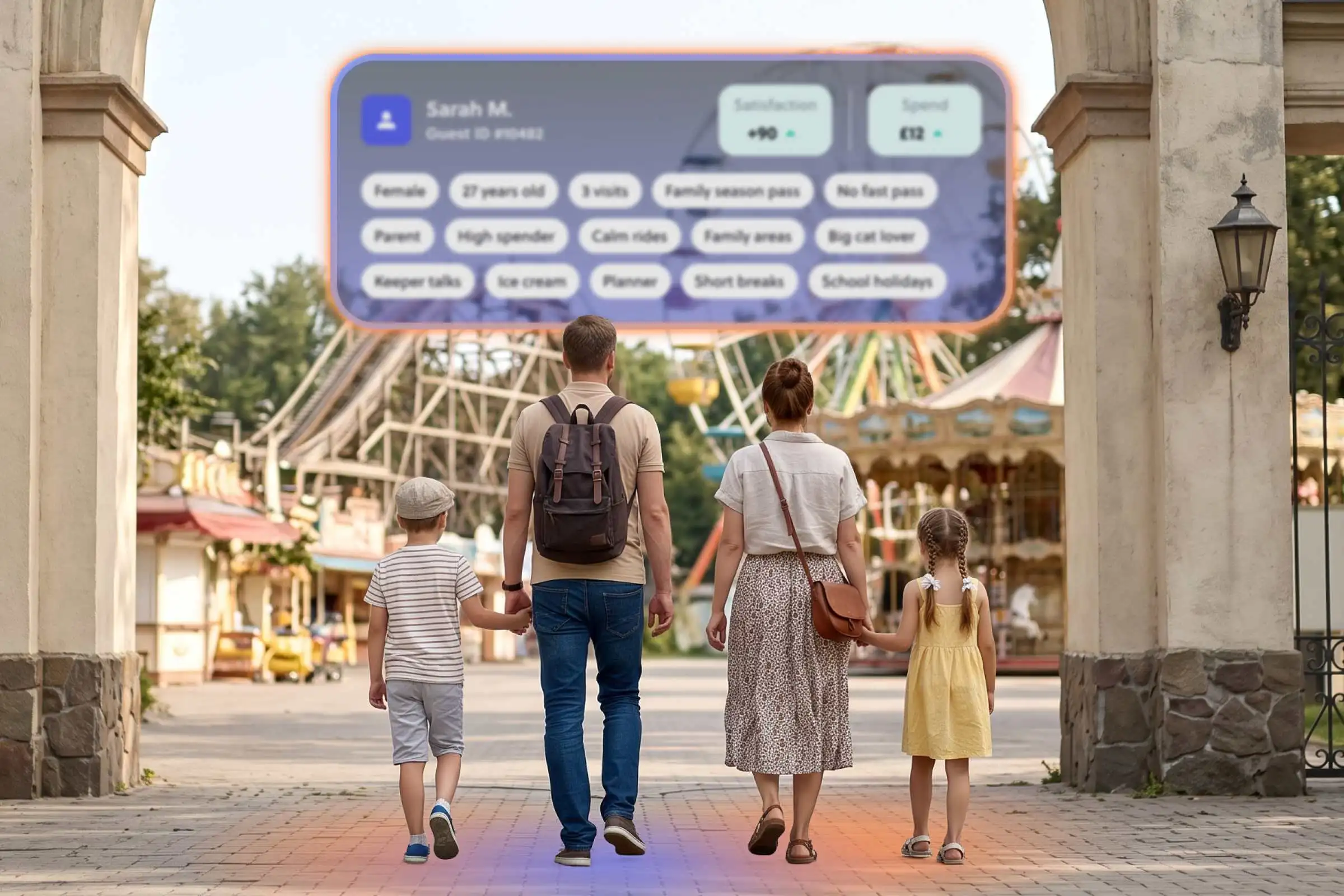
By the time I'd sent them through, I'd effectively planned out the rest of their day. I knew the park inside out: when to do the busiest rides, the quickest ways to get around, and what was worth prioritising. But just as importantly, I knew them. I knew the sorts of things they'd enjoy and the things they probably wouldn't.
Afterwards, they thanked me for the advice, telling me they'd had a brilliant day and done things they otherwise would have missed. Their experience improved because, for five minutes, the park wasn't treating them like just another guest. Someone inside the park knew who they were, understood what they wanted, and could help them make the most of their visit.
But for every person I knew, there were thousands and thousands of guests that I didn't. I couldn't help them in the same way, because I didn't know the first thing about them. And therein lies the opportunity. The question is, in a world of data and devices, why are most guests still anonymous to us once they arrive?
Today, it's possible to know a remarkable amount about a guest before they arrive. We can see which campaign brought them to the website, the pages they browsed, what they booked and when they booked it. If we have a CRM in place, we might even know whether they've visited before, whether they're a member, what communications they've responded to and what type of ticket they normally buy.
Our marketing stacks have become very good at building up an increasingly detailed picture of the customer we're trying to persuade to visit. Once they arrive, however, it's a different story — which is ironic, because the visit itself produces an even richer set of signals. What our guests have actually done on-site, how long they've waited in line, which areas they spend most time in, what they have to eat, what they buy, when they leave, the list goes on. The signals exist. What's missing is connecting them to the person we knew at the point of booking.

This is partly a consequence of how our industry's technology has evolved. Over the past twenty years we've digitised almost every important transaction in the guest journey, but we've largely done it one transaction at a time. Ticketing solved admissions. Point of sale solved payments. CRM solved outbound communication. Membership, food ordering, photos, access control — they're all point solutions that solved one piece of the puzzle. Each system is perfectly capable of doing the job it was bought in to do. The difficulty is that none of them knows they're describing the same guest.
This isn't unique to attractions either. Twilio Segment's research found that 75% of businesses fail to deliver personalisation across channels, and the barriers they name are departmental silos and legacy infrastructure — not a lack of data.
Walk alongside a guest for a day, and you can see it. Your ticketing system knows the email address that made the booking three weeks ago. Access control knows a barcode came through the gate at 10:04. The till knows the card that paid for lunch. The app knows a phone checked the queue times for certain attractions. Every one of those moments was captured, but in my experience, you can bet almost none of them were connected.
An operator can technically own all of these pieces of data and still not have a coherent view of the family standing in the venue.
.jpg)
That's why there's an important distinction between having guest data and actually knowing a guest. The first means having a collection of records. The second means being able to understand that those records describe the same person, or the same party, and then use that understanding in a useful way to them.
Our industry has invested heavily in collecting data and is now becoming increasingly interested in what it can do with it. But there's a layer in the middle that has to be solved first: identity. Without identity, more data simply creates more fragmentation and offers no way to improve the guest experience or commercial outcomes.
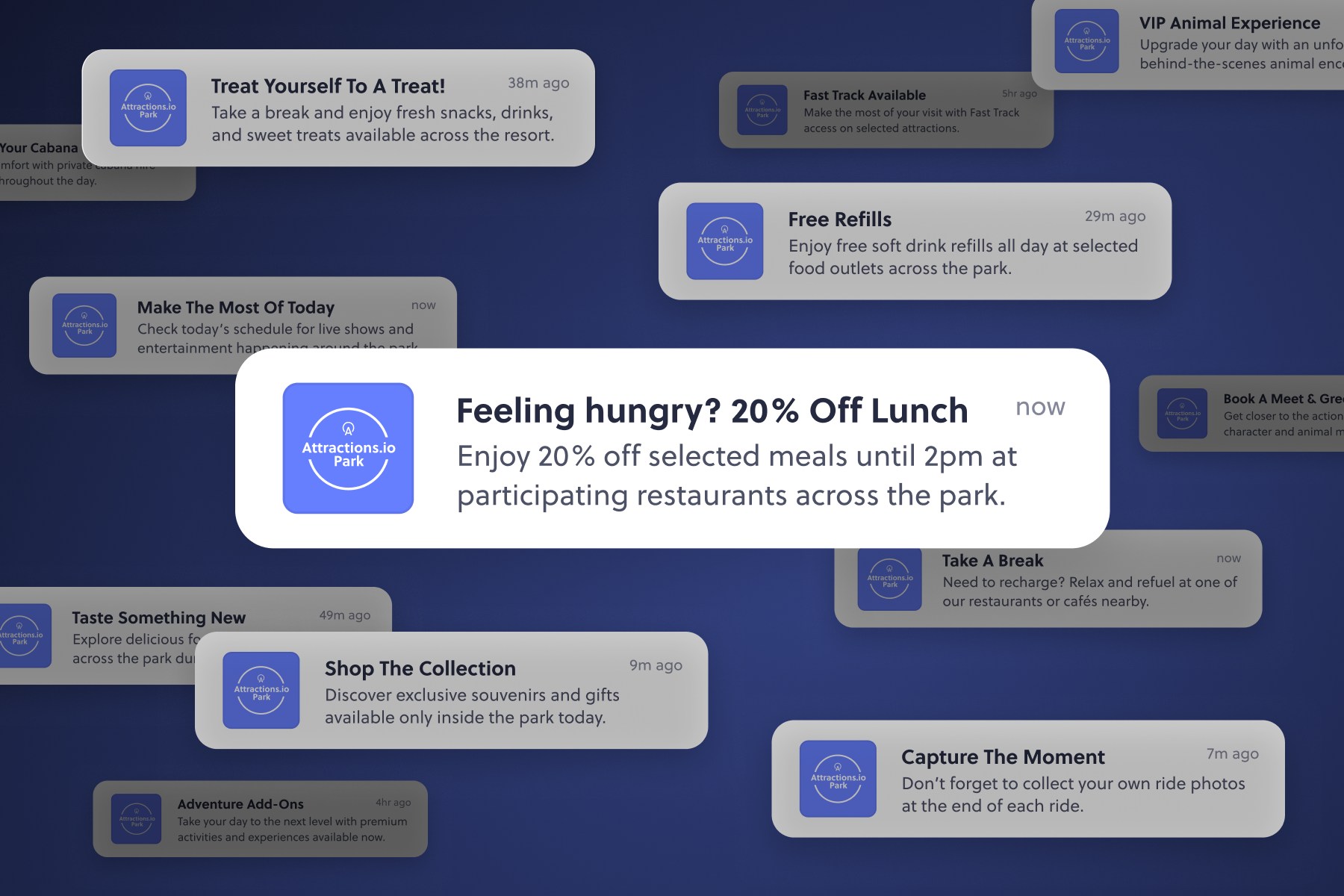
In my last article, I argued that one of the biggest untapped opportunities in attractions sits after the gate. Smartphones, real-time data and AI are making it possible to identify useful moments during a visit and decide what might help a particular guest next, rather than relying on generic campaigns built for broad segments.
There was an assumption buried inside that argument, though: to choose the right action for a guest, you first need to know who you're making the decision for.
Take something as simple as a restaurant recommendation. Knowing that avenue has three restaurants with available capacity is useful operational information, but it isn't enough to decide which one I should suggest to a particular family. For that I might want to know what they've bought before, whether they're travelling with young children, which part of the venue they're in, whether they have dietary preferences and what they're likely to do next.
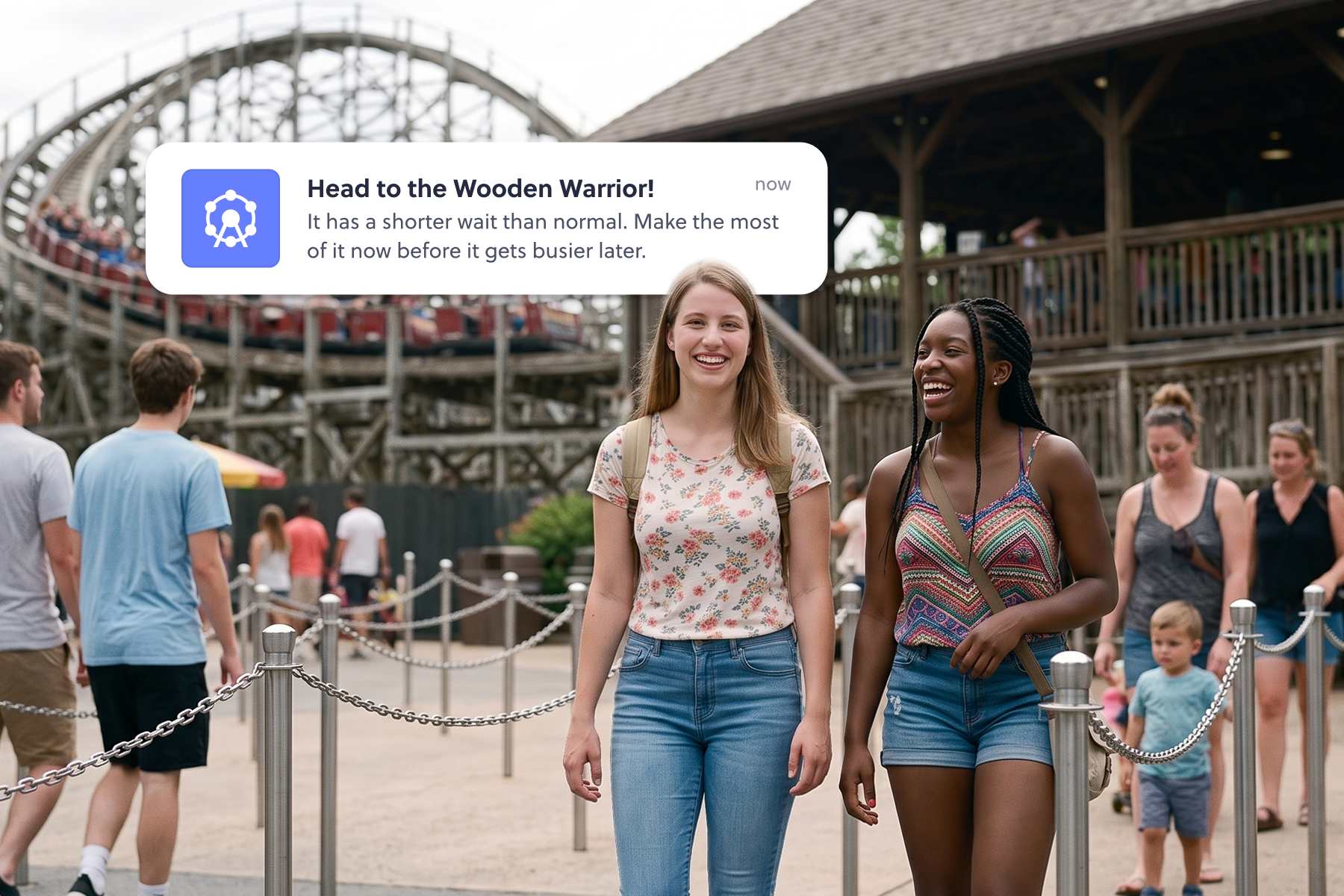
The same is true of almost every example of personalisation. An offer to skip a queue is more relevant if I know the guest has already spent most of the morning waiting. A recommendation for an indoor show becomes more useful if I know the family has young children and is nearby when rain is forecast. A membership prompt is more compelling if I know this is their third visit in twelve months.
None of those things requires an extraordinary new data source. In many cases, the signals already exist or are relatively easy to obtain. The challenge is knowing that they belong to the same guest and being able to bring them together at the point a decision needs to be made.
That's why identity is more than a technical plumbing problem. It's the foundation that intelligence needs to sit on to make it useful to the guest. You cannot orchestrate the day of a guest you don't recognise.
There is, of course, an obvious tension here. Just because technology makes it possible to know more about a guest doesn't mean operators should collect everything they can, and nobody wants a day out to feel like they're being watched.
I think the distinction is between being tracked and being understood. People already expect businesses they have a relationship with to remember them. If I return to an airline, hotel or streaming service, I don't expect to introduce myself from scratch every time. I expect the service to remember enough about my history and preferences to make the next interaction easier or more relevant.
Attractions shouldn't be any different. The goal isn't to build the largest possible profile of someone. It's to know enough to make their experience better. That might mean not recommending an experience they've already done. It might mean remembering that they normally visit with young children, or knowing that they're a member before asking them to buy a ticket they don't need. Or simply helping them discover something they would otherwise walk straight past.

The expectation of being recognised is now mainstream; McKinsey found that 71% of consumers expect the companies they buy from to deliver personalised interactions, and 76% get frustrated when that doesn't happen.
The important part, in my view, is what the guest experiences as a result. Good use of data shouldn't make the technology more visible; it should make the visit feel more thoughtful.
On a panel I chaired at the blooloop Festival of Innovation, Jim Denny, then VP of Digital Experience at Six Flags, described one of the most important parts of the guest journey as moving from being an anonymous visitor to a known guest.
I think that idea is going to become increasingly important over the next few
years. The ability to make a different decision for every guest, based on what is happening around them at that moment, has the potential to change both the commercial performance of a visit and the quality of the experience itself. But none of it starts with AI. It starts with guest identity.
The opportunity isn't to make attractions feel more digital, or to collect more
data for the sake of it. It's to give thousands of guests the kind of thoughtful,
relevant experience I gave to a family on Hex all those years ago.